Hosted scale vs. self-hosted simplicity
Cockpit is a lightweight self-hosted CMS that works well for small projects where you want to own your infrastructure. Sanity is a fully hosted Content Operating System built for teams that need real-time collaboration, AI-powered workflows, and content that scales across every channel.
Trusted by leading digital innovators














Why choose Sanity over Cockpit CMS?
No ops. No server. No maintenance
Cockpit runs on your infrastructure — which means you own the uptime, the backups, the database, and every upgrade. Sanity is fully hosted. Your team focuses on content and product, not keeping a server alive.
Real-time multiplayer editing
Cockpit is built for solo developers or small teams working sequentially. Sanity lets multiple editors work in the same document simultaneously, with changes syncing instantly. No version conflicts, no locking, no overwriting each other's work.
AI built in, not bolted on
Sanity's structured content backend is what makes AI actually work. Content Agent handles bulk edits and audits through conversation. Agent Context grounds your AI agents in real, governed content. The Agent API generates, transforms, and translates content programmatically.
Built to scale with your team
Cockpit is designed for quick, simple projects. Sanity runs content operations for companies like PUMA, Morning Brew, and Tata Digital — across millions of documents, multiple brands, and global teams. When your content needs grow, Sanity grows with them.
Different tools for different ambitions
Cockpit is open source and self-hosted, which means you manage the server, the database, the uptime, and the upgrades. That tradeoff is fine for a solo developer or a small project. It gets expensive in time and engineering effort as you grow.
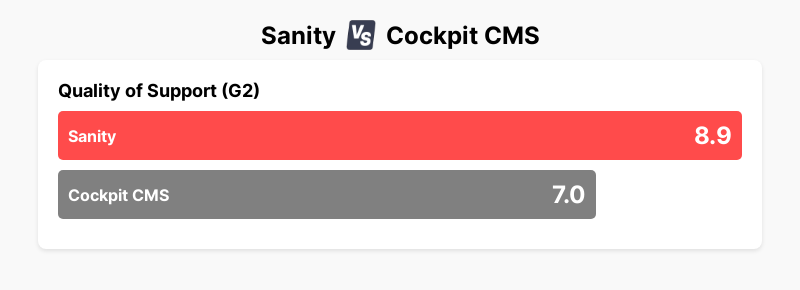
Sanity is fully managed. No database to run, no infrastructure to maintain. You get real-time multiplayer editing, built-in AI features, Content Releases for coordinated publishing, and a G2 Quality of Support score of 8.9 vs. Cockpit's 7.0 — because there's an actual team behind it.
World-class composable businesses innovate with Sanity







Sanity's Content Operating System
The intelligent backend for companies building AI content operations at scale. Sanity provides the structured foundation, automation layer, and agentic context companies need to move faster, work smarter, and power every content experience, from websites to AI agents.
Content Lake
A no-ops storage and distribution layer that syncs content and data for use by teams across your organization. Its precise query language enables reusing content anywhere.
Sanity Studio
A content workspace you can tailor to match your team's needs—with all the visual tools they expect built-in. Real-time collaboration removes bottlenecks and empowers teams with custom access and workflows.
APIs
Sanity's APIs are designed for developers to thrive. They seamlessly integrate with existing CI/CD workflows, support programmatic schema coding, and offer real-time 2-way syncing.
AI built into every layer
Content Agent runs bulk edits and audits through conversation. Agent API handles schema-aware generate, transform, and translate. Compute triggers automation on any content change. And the MCP Server gives AI agents governed access to your content. It's not bolted on — it's built in.
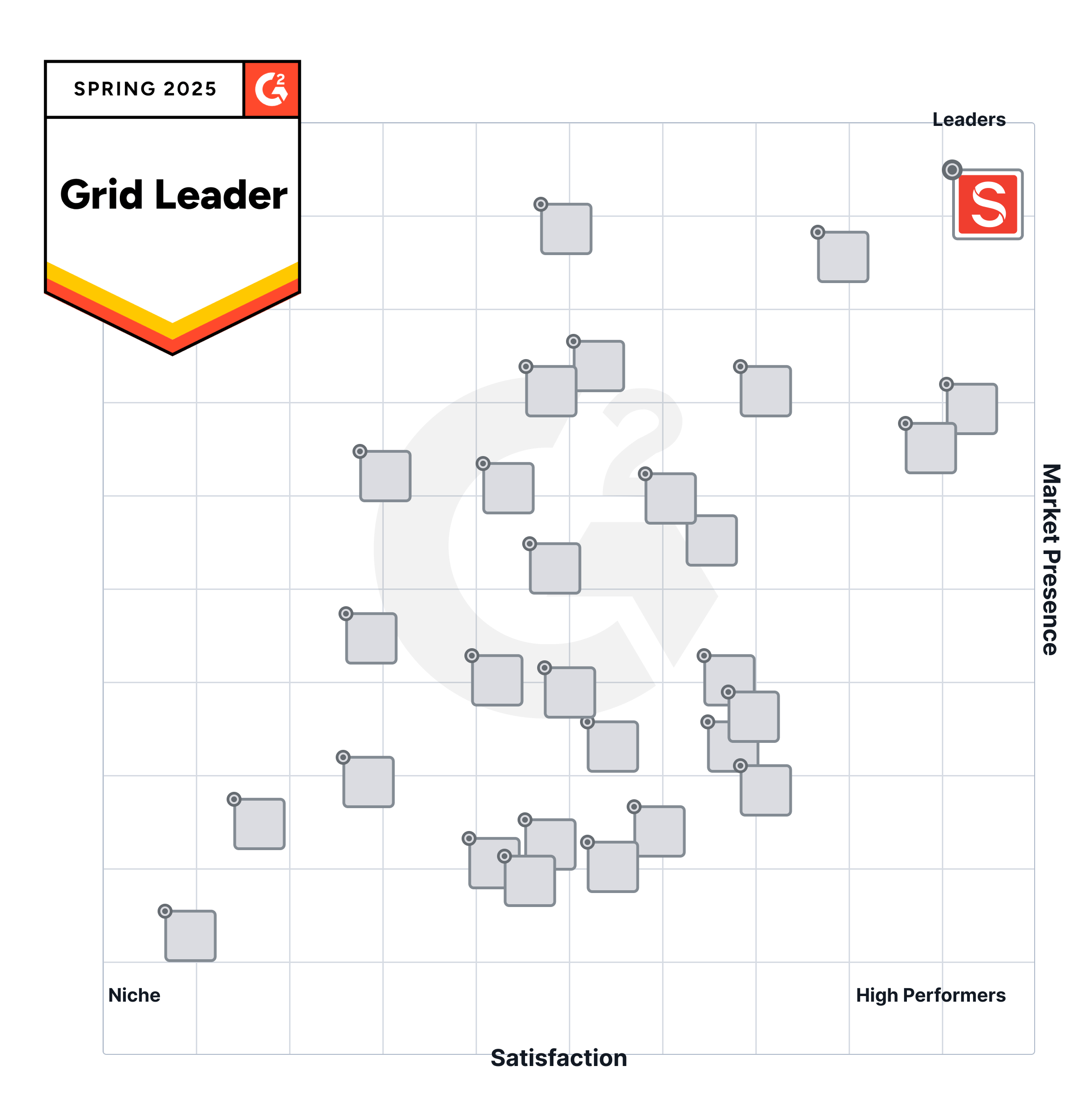
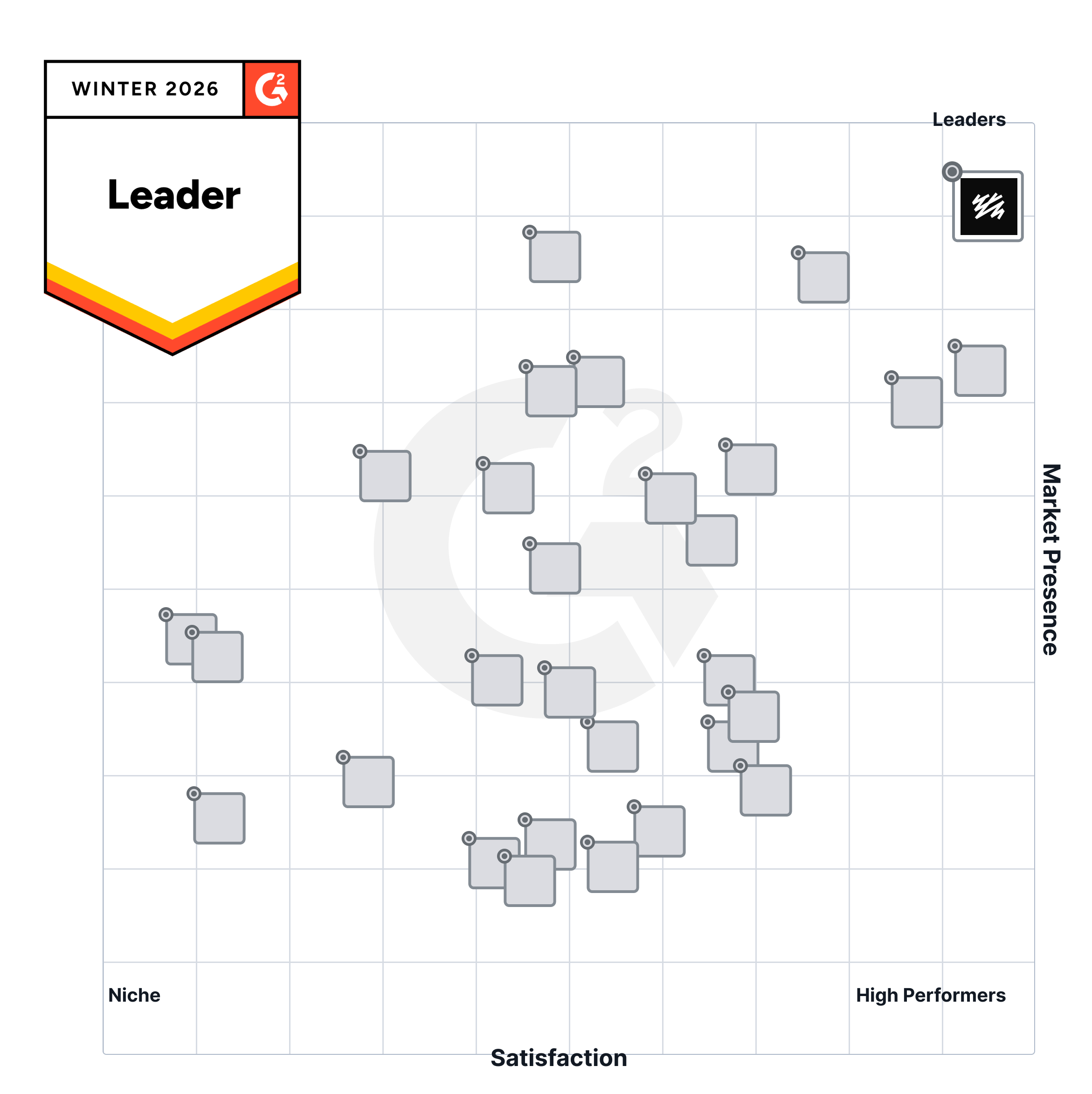
Sanity is ranked #1 out of 85 CMSes on G2
G2.com, the world's largest marketplace for software, has rated Sanity as the #1 leader in the Headless CMS category, as measured by customer review ratings and market presence
FAQ
What are the best alternatives to Cockpit CMS?
The right alternative depends on what you need next. If you're outgrowing a lightweight self-hosted CMS, the main options are platforms that offer more structured content, team collaboration, and workflow automation at scale. Sanity is a strong choice for teams that want a fully managed Content Operating System built for content reuse, real-time collaboration, and AI-ready content operations.
What is the difference between Sanity and Cockpit CMS?
Sanity is a Content Operating System built for teams that need structured content, custom workflows, and content reuse across every channel. Cockpit CMS is a lightweight headless CMS designed for developers who want a flexible, self-hosted way to manage and deliver content.
The main difference is scope. Sanity gives you a real-time content backend, a customizable content workspace, and the tools to model, manage, automate, and scale content operations. Cockpit works well for simpler projects where self-hosting is a priority. Sanity is built for teams that need a shared content foundation across websites, apps, teams, and workflows. See how Sanity's Content Lake works →
Is Sanity better than Cockpit CMS for growing teams?
For growing teams, Sanity is often the better fit. It is designed for collaboration, governance, and content reuse at scale. You can create structured content once, reuse it across channels, and tailor editorial workflows to different teams without changing your underlying content model.
That matters when your content operation gets more complex. Instead of managing content as isolated pages, you can manage it as structured data that works across brands, regions, campaigns, and digital products. Read more about content modeling in Sanity →
Which is better for developers: Sanity or Cockpit CMS?
It depends on what your team needs.
Cockpit CMS is a good fit if you want a simpler, self-hosted headless CMS and prefer to manage more of the stack yourself. Sanity is the stronger choice when developers want schema as code, a highly customizable editing environment, precise querying with GROQ, and a managed content backend that supports real-time workflows.
If your team needs to build a content system that reflects how the business actually works — not just store entries in a CMS — Sanity gives developers more room to shape that experience. Explore Sanity for developers →
Can Sanity replace a self-hosted CMS like Cockpit?
Yes. Many teams choose Sanity when they want to move away from maintaining CMS infrastructure and focus instead on building better content workflows and digital experiences.
Cockpit gives you direct control over hosting. Sanity takes a different approach with a managed content backend, which reduces operational overhead and gives teams a platform built for structured content, collaboration, and scale. The trade-off is straightforward: Cockpit is the better fit if self-hosting is a priority, Sanity is the better fit if you want a managed platform that lets your team move faster. Get started for free →
Is Sanity self-hosted?
No. Sanity uses a managed cloud architecture.
For teams comparing Sanity vs. Cockpit CMS, this is one of the clearest differences. Cockpit is often chosen by teams that want full control over their hosting environment. Sanity is chosen by teams that want a managed content platform with less infrastructure maintenance and more built-in support for collaboration, structured content, and content operations. Learn about Sanity's architecture →
Does Sanity support real-time collaboration?
Yes. Sanity supports real-time multiplayer editing, so multiple team members can work in the same document simultaneously without conflicts or overwrites.
Cockpit is built primarily for solo developers or small teams working sequentially. For content teams, marketers, editors, and developers working in parallel, Sanity's collaboration features remove the bottlenecks that come with a single-user editing model. Learn about Sanity Studio →
Is Sanity better than Cockpit CMS for AI-ready content operations?
Yes, if your goal is to build a content foundation that supports automation and AI workflows.
Sanity's structured content models, event-driven workflows, and built-in AI features — including Content Agent, Agent Context, and the Agent API — make it a stronger fit for teams that want AI to work reliably on real content. If you are thinking beyond basic content storage and asking how your CMS will support future automation, Sanity is the better long-term fit.
Is it hard to migrate from Cockpit CMS to Sanity?
Migration complexity depends on your content model, frontend setup, and how much content cleanup is needed. Moving from Cockpit to Sanity is usually a good opportunity to improve structure, reuse, and workflow design rather than just copying old limitations into a new platform.
A migration to Sanity is not only about changing CMSes — it is also a chance to build a cleaner content model that supports scale, reuse, and better collaboration. Read about content migrations in Sanity →