

PUMA moves fast and gets global teams in sync with Sanity
Carrier profiles, route documentation, warehouse specs, compliance content, customer-facing tracking pages. Logistics companies manage content across dozens of systems and regions. Sanity gives your team one structured content backend to manage it all, with automated workflows, coordinated updates, and AI that handles the repetitive work.














Content Lake stores logistics content as structured JSON with true referential integrity. Model the relationships between routes, carriers, warehouses, service levels, and regional operations however your business needs. Update a carrier profile once and it reflects everywhere: website, customer portal, internal tools.
Updating compliance documentation across 200 carrier pages after a regulatory change? Localizing service descriptions for new markets? Content Agent handles bulk edits, audits, and gap analysis through conversation. What took days takes minutes.
Rate calculations, SLA triggers, and routing rules shouldn't live in a separate system from the content they affect. Compute lets you run server-side logic directly on content events, so business rules stay in sync with the data they depend on.
Expanding into a new region touches route pages, carrier profiles, compliance documents, and marketing content across multiple channels. Content Releases lets your team group all those changes, preview them together, and publish everything at the right moment. No more coordinating page by page.
The results are in
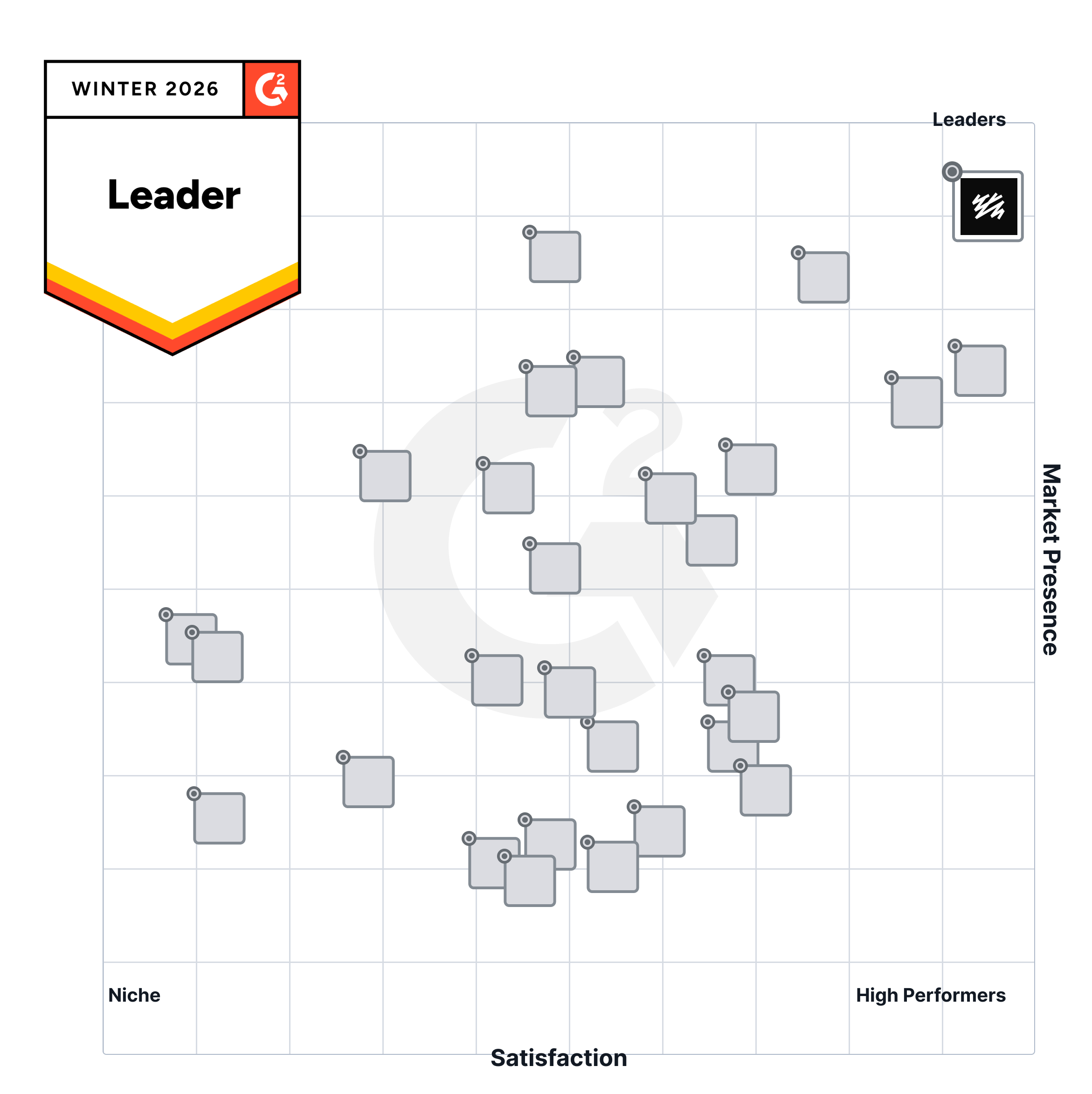
G2.com, the world's largest marketplace for software, has rated Sanity as the #1 leader in the Headless CMS category, as measured by customer review ratings and market presence
Create your own
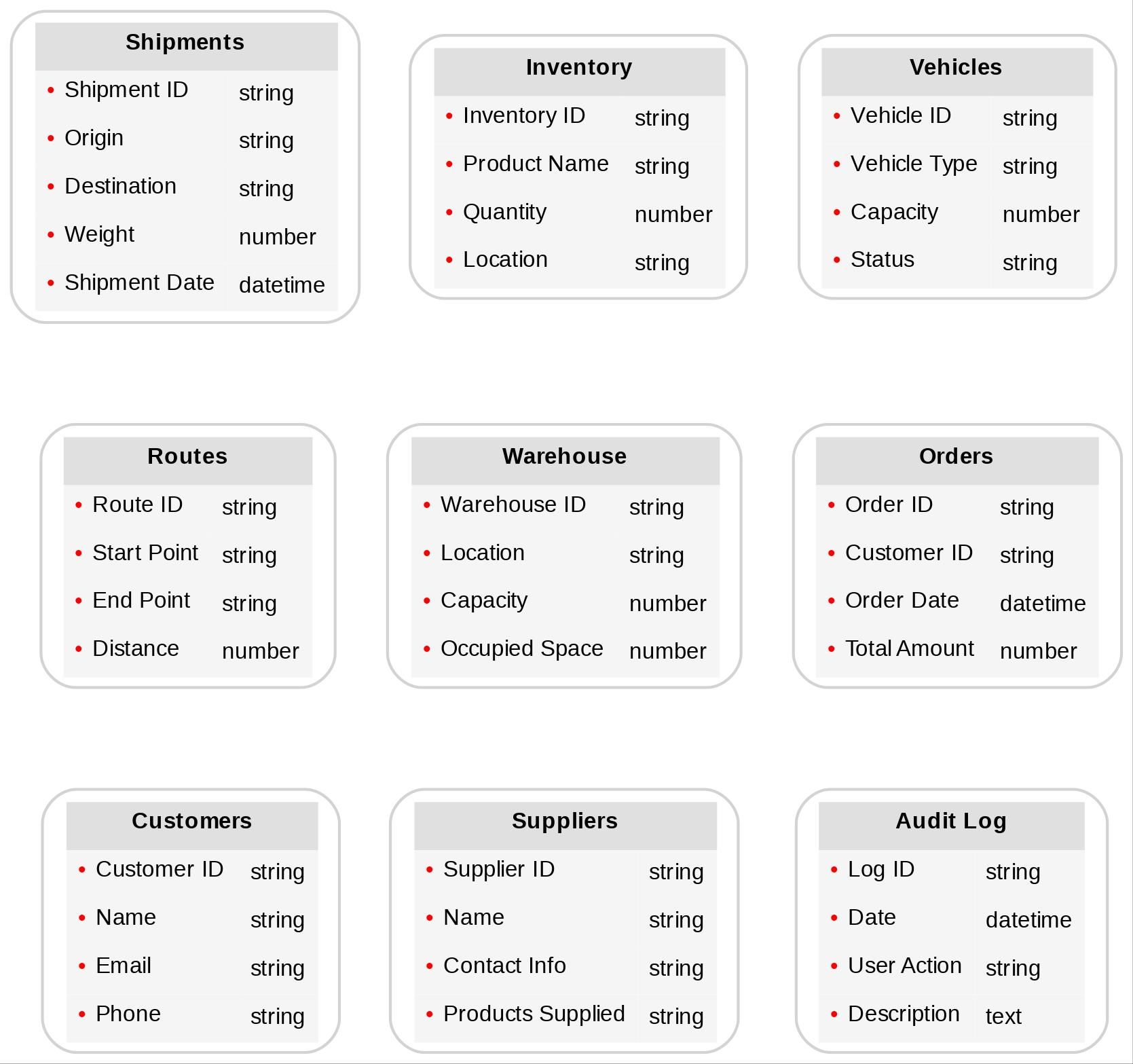
Define schemas for routes, carriers, warehouses, service levels, compliance documentation, and more. Each content type maps to real logistics operations, not generic CMS templates. Use built-in field types or create your own. The result is a content backend shaped around your business, not the other way around.


Laerdal’s interactive medical manikins are used to train EMTs and medical professionals around the world. They needed to move to modern subscription models and improve the delivery of medical scenario scripts to their global network of devices. With help from Sanity they transitioned away from fixed licensing and asynchronous content delivery into tiered subscriptions and content in the cloud. Sanity connects with their user apps and internal APIs for script storage, collection management, and real-time content delivery.
“Our tight project timeline meant that we had to develop our code and content in parallel. This is a very difficult problem to solve, and would have been a lot worse if it weren’t for Sanity’s flexibility. It would have been much more difficult with a heavier, traditional content system.”
Jochai von Baumgarten
Product Manager
Laerdal
Platform Overview
The intelligent backend for companies building AI content operations at scale. Sanity provides the structured foundation, automation layer, and agentic context companies need to move faster, work smarter, and power every content experience, from websites to AI agents.
A no-ops storage and distribution layer that syncs content and data for use by teams across your organization. Its precise query language enables reusing content anywhere.
Explore Content Lake →A content workspace you can tailor to match your team's needs—with all the visual tools they expect built-in. Real-time collaboration removes bottlenecks and empowers teams with custom access and workflows.
Explore Sanity Studio →Sanity's APIs are designed for developers to thrive. They seamlessly integrate with existing CI/CD workflows, support programmatic schema coding, and offer real-time 2-way syncing.
Explore developer docs →Content Agent runs bulk edits and audits through conversation. Agent API handles schema-aware generate, transform, and translate. Compute triggers automation on any content change. And the MCP Server gives AI agents governed access to your content. It's not bolted on — it's built in.
Explore all →