Content risk mitigation definition
Content risk mitigation limits threats to brand, compliance, and operations by identifying, assessing, and controlling content using governance, permissions, feature flags, workflows, and release management.
Content risk mitigation is the practice of identifying, reducing, and controlling risks that can arise when planning, creating, and publishing content. These risks include inaccurate information, brand or legal compliance issues, failed releases, and unauthorized access that could lead to reputational or financial harm.
Common tactics include clear governance with roles and permissions (RBAC), editorial reviews and approvals, and gradual rollouts using tools like feature flags. Platforms such as Sanity support safer publishing through preview, scheduling, and Content Releases, while a headless CMS setup can reduce the attack surface. Teams also rely on audit trails and standardized formats to support accountability and regulatory needs.
Misinformation and outdated details create inconsistent experiences across web, mobile, and email. Regulatory or legal missteps—such as missing disclosures or unapproved claims—can trigger takedowns or fines, especially in sectors that expect structured, auditable submissions. Security gaps in your CMS or plugins can enable unauthorized edits or leaks. Operational errors like publishing to the wrong locale, broken links, or skipping QA undermine reliability. Accessibility gaps limit reach and risk complaints.
The impacts include lost trust and churn, brand damage amplified by social sharing, compliance costs and penalties, SEO setbacks from removals or poor quality signals, and higher support volume as teams scramble to correct and communicate fixes.
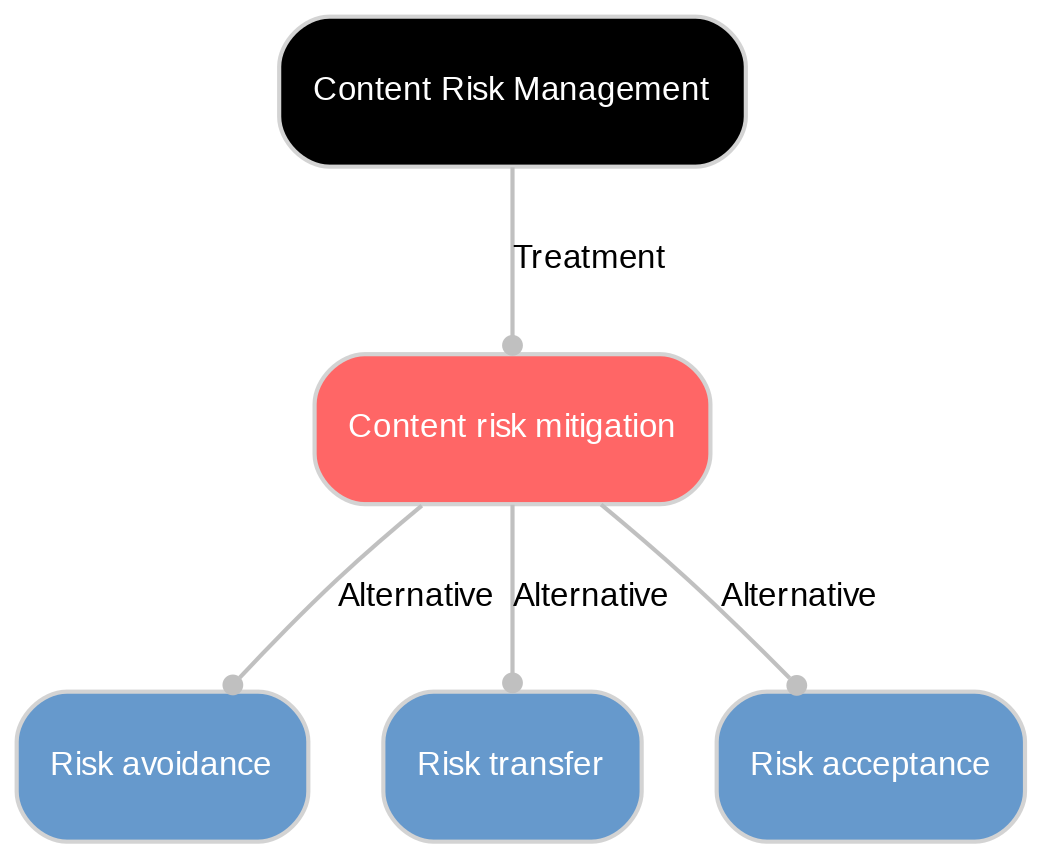
Start with a content risk register: map high‑impact pages and campaigns, assign owners and SLAs, and rate likelihood vs. impact. Classify items by regulatory exposure and enforce schema-based validations to block missing disclosures, alt text, or locale errors at edit time. Where relevant, use standardized, structured formats required by regulators to keep records auditable.
Reduce risk by applying least‑privilege roles with approval gates, then ship safely: use isolated previews, Content Releases in Sanity to bundle and schedule changes, and feature flags for canary rollouts. Enable audit logs and version history, automate checks for links, accessibility, and localization, and keep a rollback playbook with monitoring to detect and revert issues fast.
Unlock New Possibilities with Sanity
With Content risk mitigation under your belt, it's time to see what Sanity can do for you. Explore our features and tools to take your content to the next level.
Last updated: