Internationalization (i18n) definition
Internationalization (i18n) prepares products for global use by designing content and interfaces to support languages, locales, scripts, and direction, enabling localization, scalability, and multilingual experiences.
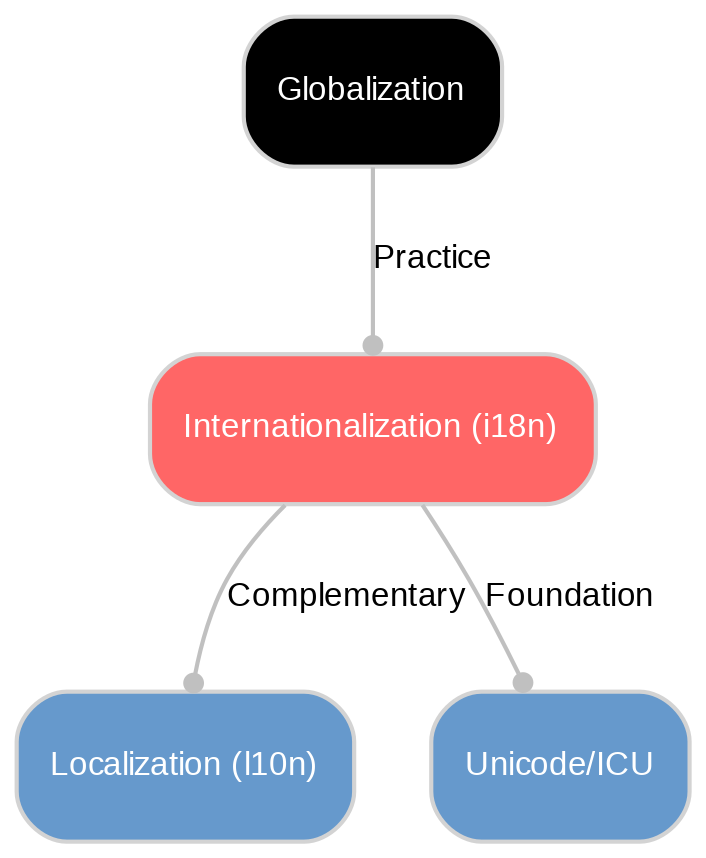
Internationalization (i18n) is the practice of designing your product, website, or content so it can be easily adapted to any language and region without re-engineering. Think of it as building in flexibility from day one. i18n lays the groundwork so teams can later localize—translate text and adjust details like formats and symbols—for specific markets.
Good i18n accounts for different writing systems and text directions (like right‑to‑left scripts), plural and gender rules, and locale-aware dates, numbers, and currencies. It typically uses Unicode for characters and keeps translatable text separate from code. Modern content platforms, including headless CMSs such as Sanity, help structure content for multiple languages and manage translations consistently across channels.
Internationalization turns content into a growth lever. Preparing for multiple languages from the start helps you reach larger audiences, increase trust and engagement, and lift conversions. Search engines reward language‑appropriate pages, boosting SEO. It also maintains brand consistency across markets while allowing culturally tuned messaging that resonates locally.
Operationally, strong i18n cuts rework so teams can launch in new regions faster and at lower cost. A headless setup lets you reuse structured content across sites, apps, and devices. With Sanity, you can manage document‑ or field‑level translations, apply language fallbacks, and integrate with partners like Phrase to streamline translation workflows.
Common pitfalls include mismatched grammar (plural/gender/declensions), word‑order changes that break placeholders, and text expansion that clips UI. Expect right‑to‑left layouts and locale rules for dates, numbers, and currency. Use an i18n library with ICU MessageFormat, store strings outside code, and encode as Unicode (UTF‑8); avoid concatenating fragments.
Translate complete sentences, provide context for translators, and declare lang and text direction in markup and metadata (per W3C guidance). Build RTL and pseudo‑localized test runs into QA. In Sanity, pick document‑ or field‑level models based on workflow, link translations, and query with coalesce() for fallbacks. Keep copy key names stable and design responsively for variable length.
Explore Sanity Today
With Internationalization (i18n) under your belt, it's time to see what Sanity can do for you. Explore our features and tools to take your content to the next level.
Last updated: