Omnichannel content definition
Omnichannel content delivers consistent experiences across every touchpoint by structuring content for reuse, separating it from design, and orchestrating messaging that boosts engagement and revenue.
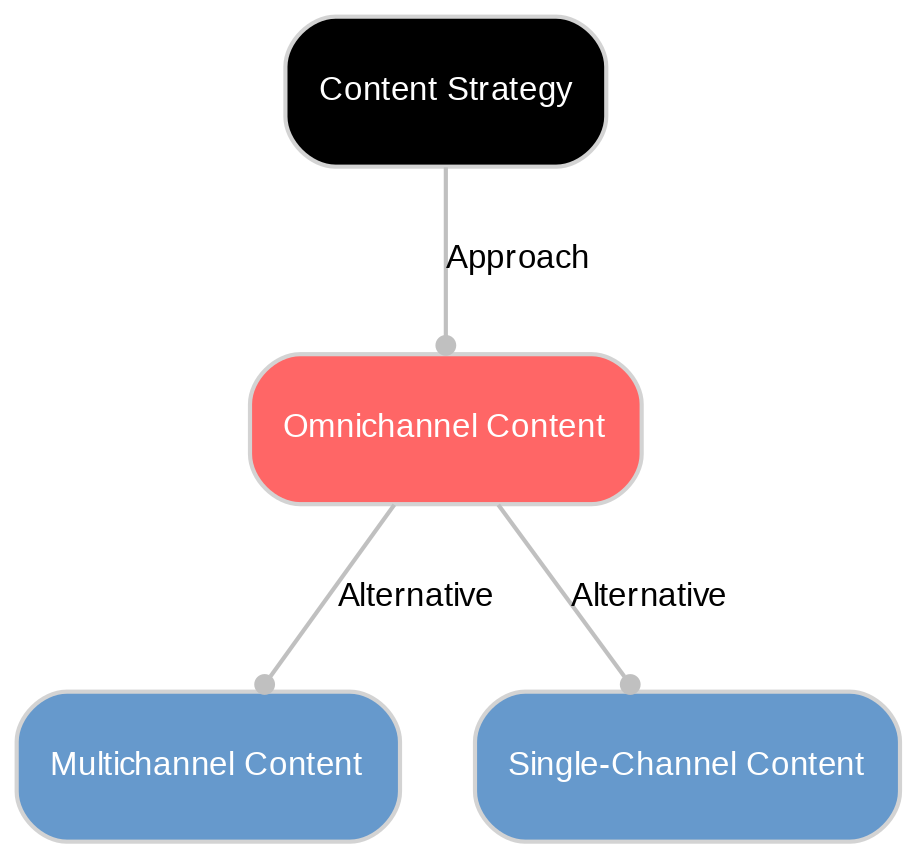
Omnichannel content means delivering one message, across many channels (web, app, email, social, chat, in-store, and the AI agents that answer on a brand's behalf) while keeping a consistent brand voice. Unlike multichannel tactics that duplicate work per platform, it relies on structured,
By breaking content into components (headlines, summaries, snippets) and enriching it with metadata and taxonomy, teams can personalize and automate delivery across key customer journeys. Sanity, the AI Content Operating System, holds that
Your customers jump between channels as they research, buy, and seek support. An omnichannel approach keeps the story consistent at every step, boosting trust, conversion, and repeat purchase. Because content is modular, teams can reuse components instead of recreating assets per channel, leading to lower production costs and faster time to market for launches and promotions. Rich metadata enables personalization at scale, while unified messaging reduces errors in product details, pricing, and offers across web, app, email, and in-store. With Sanity, you can plan once, publish everywhere, coordinate updates centrally with Content Releases that publish a multi-document change as one unit, and test and iterate quickly to keep experiences relevant.
Prioritize. Pick 2-3 high-impact customer journeys (product discovery, checkout, onboarding).
Align. Form a cross-functional squad (marketing, product, design, engineering, support) and set shared KPIs.
Audit. Inventory messages and assets by channel to spot gaps, inconsistencies, and duplication, including what AI assistants say about you.
Model. Define modular content types (headline, summary, body, media, CTA) and taxonomy (persona, stage, locale).
Centralize. Manage content in Sanity, separating content from presentation and connecting channels via APIs, including the MCP endpoint agents read from.
Pilot. Launch on a few touchpoints, measure, and iterate.
Govern. Create reuse rules, approval workflows, and metadata standards to keep content consistent at scale.
Unlock New Possibilities with Sanity
With Omnichannel content under your belt, it's time to see what Sanity can do for you. Explore our features and tools to take your content to the next level.
Last updated: