
Scaling a multi-brand e-commerce mobile app
Sanity vs Storyblok CMS
Sanity is the AI Content Operating System: code-based schemas, content treated as structured data, and real-time collaborative editing for multi-channel work.


Compare Sanity & Storyblok
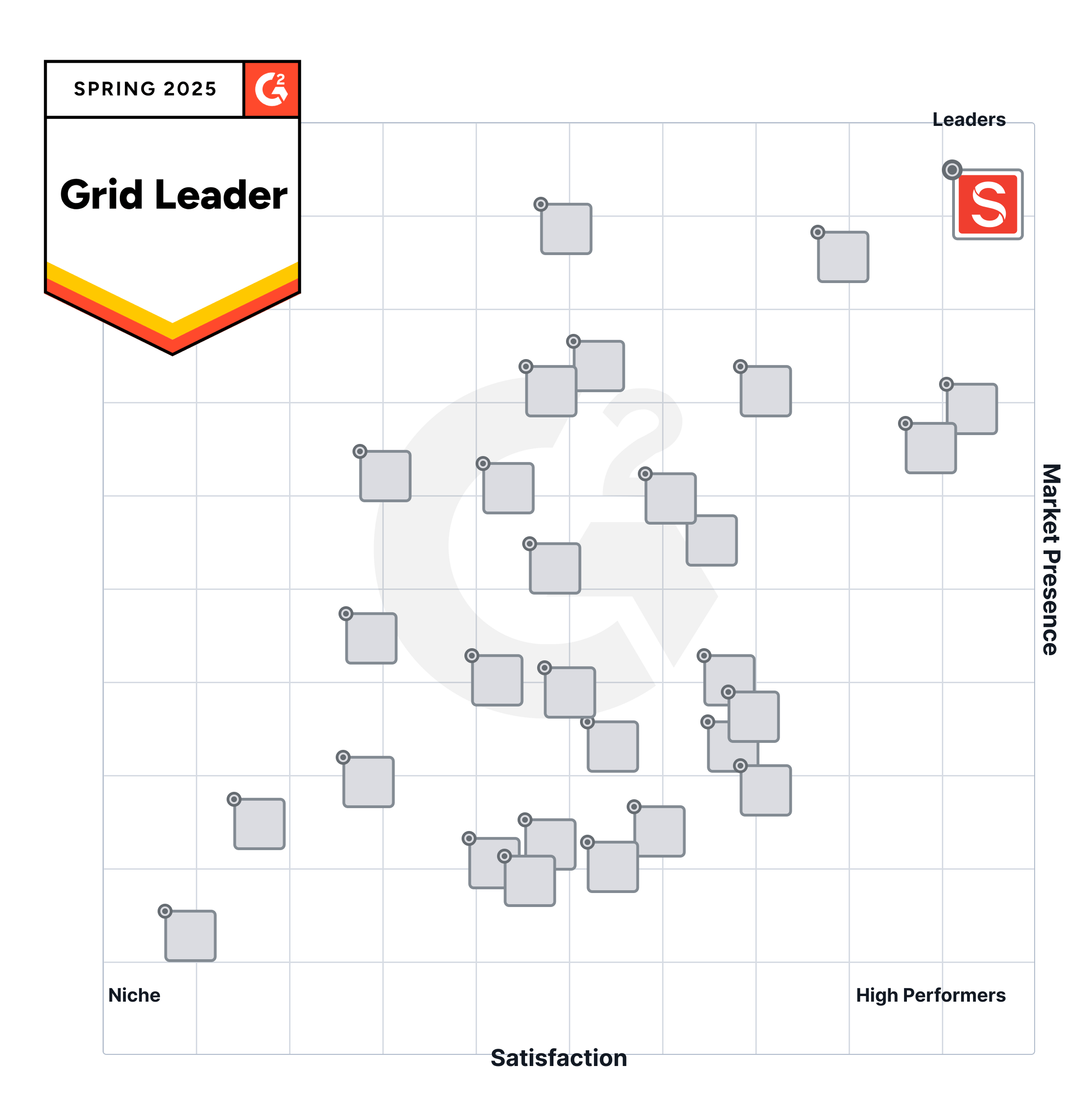
Sanity's real-time collaborative editing lets multiple users edit the same content simultaneously and see each other's changes instantly. Where Storyblok centers on commenting, Sanity gives teams live, Google Docs-style collaboration so work keeps moving.
Collaborate in real-time →Sanity allows you to treat content flexibly as structured data, enabling complex, reusable data models—unlike Storyblok’s page-centric approach—making Sanity ideal for multi-channel experiences and extensive content scalability.
Leverage content as data →Sanity's custom input components empower developers to craft specialized editing experiences tailored precisely to their organization's workflows, surpassing the predefined, plugin-based customization approach typically found within Storyblok's visual editor ecosystem.
Discover custom inputs →Sanity lets teams structure content the way their business works. Developers write customized data schemas and workflows in code, rather than fitting content into predefined, visual-first component structures like those in Storyblok.
Discover structured flexibility →Sanity: Treat Content as Data
Sanity offers maximum flexibility and developer control with code-based schemas, real-time collaboration, and customizable interfaces.
Unlike Storyblok’s component-based model, Sanity treats content as fully structured data, making it ideal for multi-channel publishing and complex workflows.
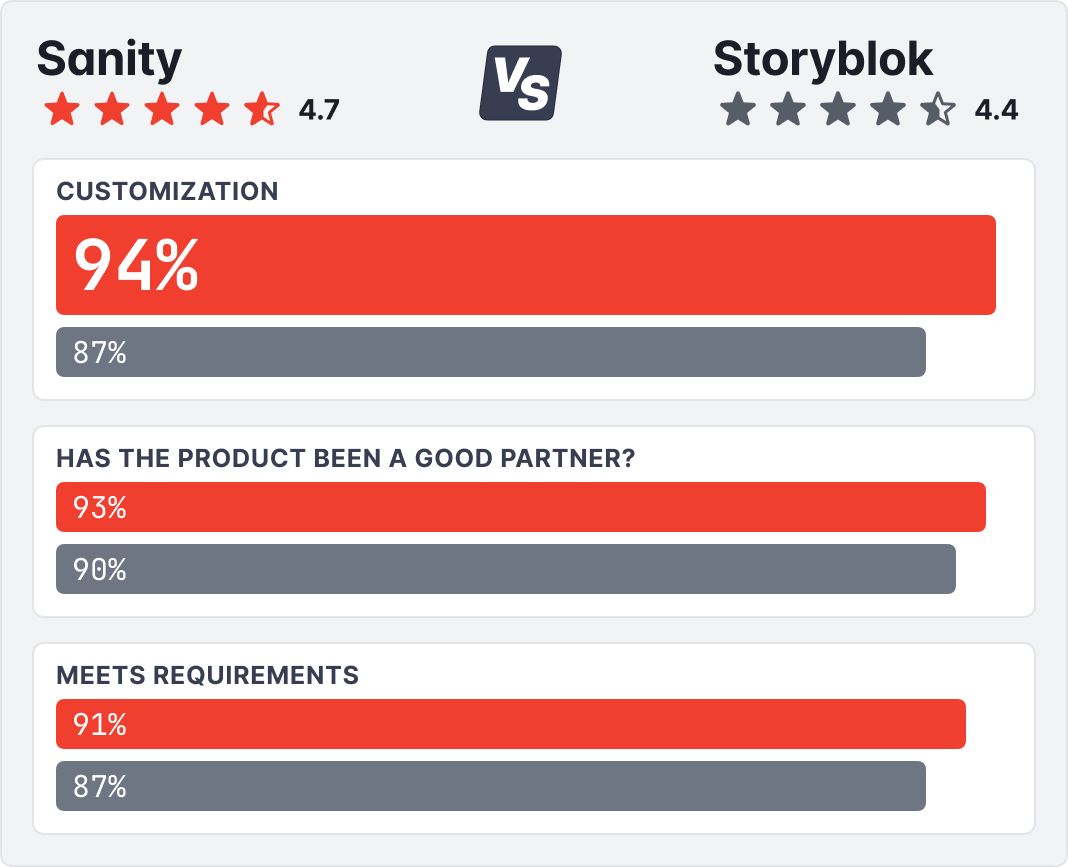
The results are in
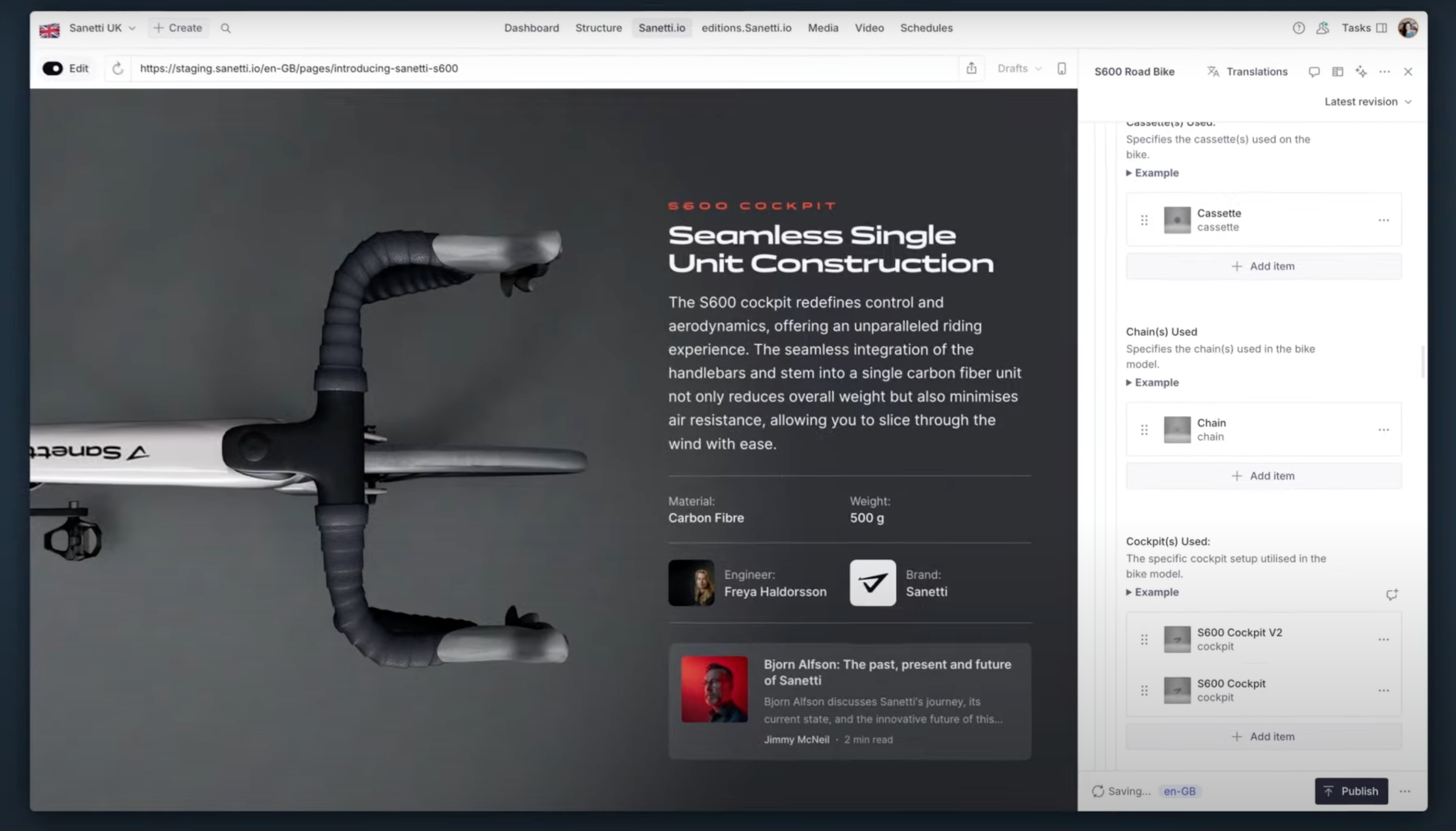
G2.com, the world's largest marketplace for software, has rated Sanity as the #1 leader in the Headless CMS category, as measured by customer review ratings and market presence
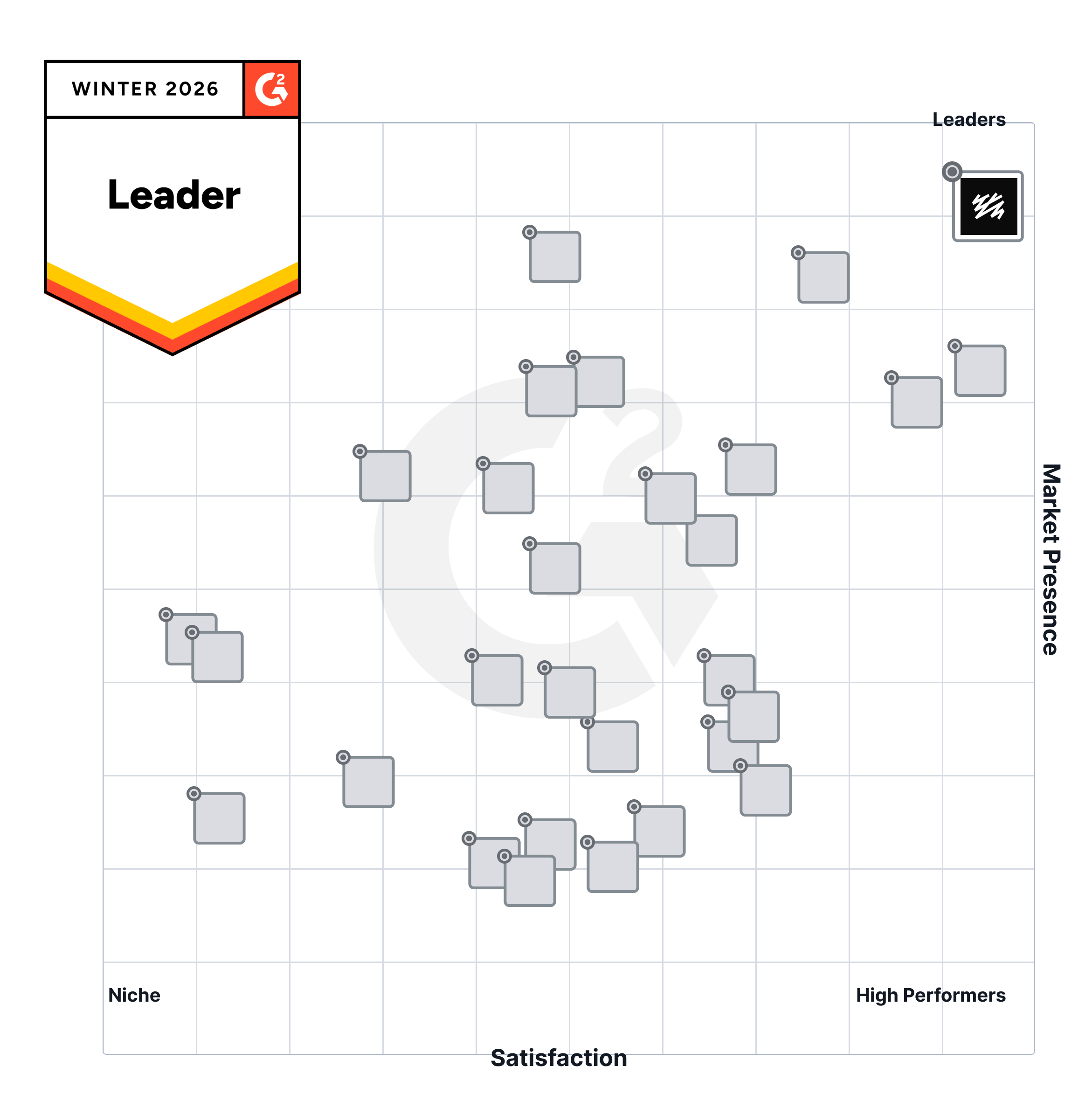
See what G2 reviewers say about the key differences.
Customer stories
Platform Overview
The intelligent backend for companies building AI content operations at scale.
A no-ops storage and distribution layer that syncs content and data for use by teams across your organization. Its precise query language enables reusing content anywhere.
Explore Content Lake →A content workspace you can tailor to match your team's needs—with all the visual tools they expect built-in. Real-time collaboration removes bottlenecks and empowers teams with custom access and workflows.
Sanity Studio →Sanity's APIs are designed for developers to thrive. They seamlessly integrate with existing CI/CD workflows, support programmatic schema coding, and offer real-time 2-way syncing.
Read docs →Content Agent runs bulk edits and audits through conversation. Agent API handles schema-aware generate, transform, and translate. Compute triggers automation on any content change. And the MCP Server gives AI agents governed access to your content. It's not bolted on — it's built in.
Explore all →