
PUMA moves fast and gets global teams in sync with Sanity

When it's time to leave AEM, Sanity is AI content infrastructure that works with the stack you actually want to build on.














Composable architecture
AEM sticks you to its rendering and ecosystem. Sanity decouples content from presentation, so your team builds the frontend in its own stack. Under the hood, your content model is code that is versioned in your repo and reviewed in pull requests, so changes ship fast and safely.
Explore the Studio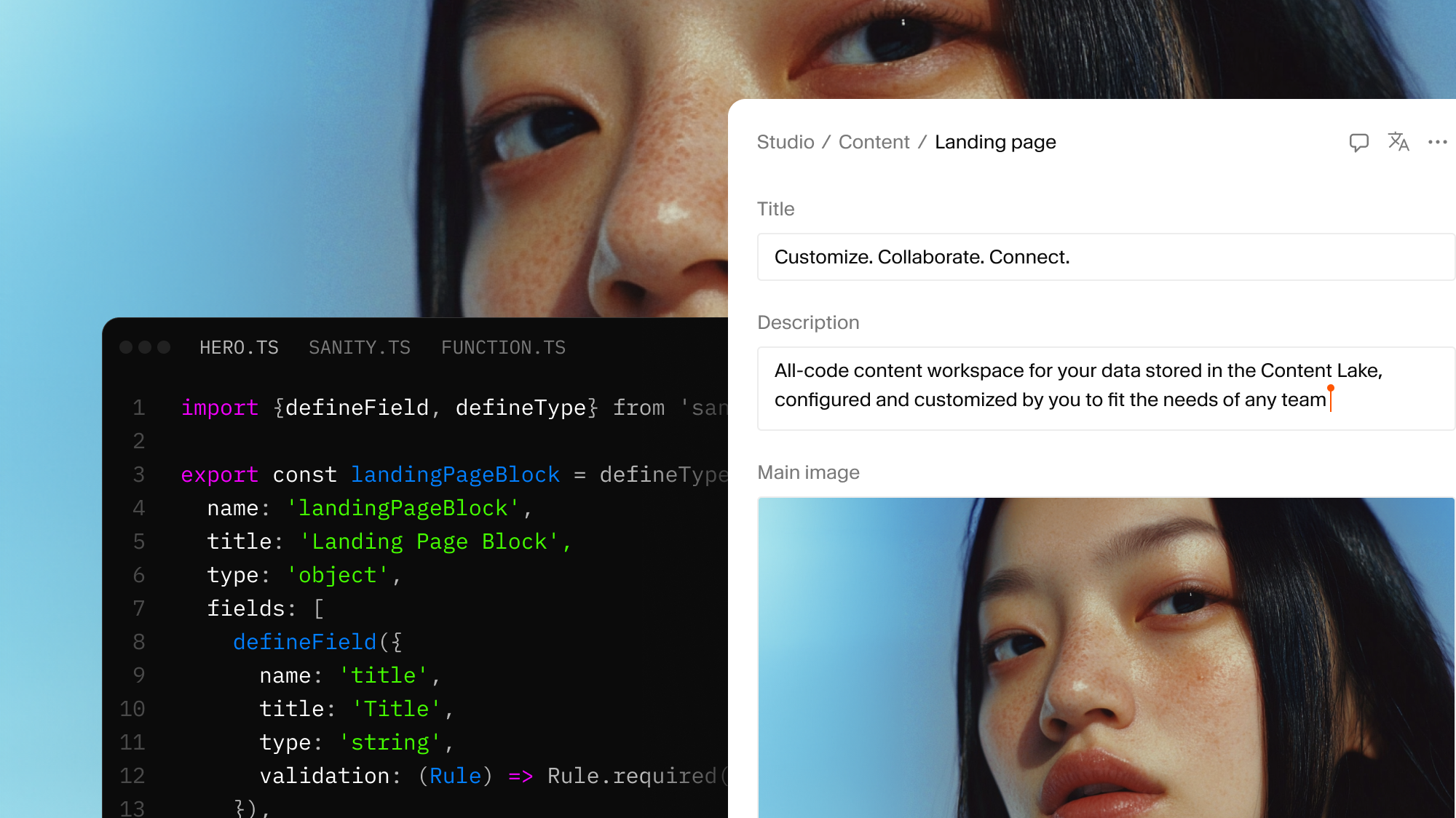
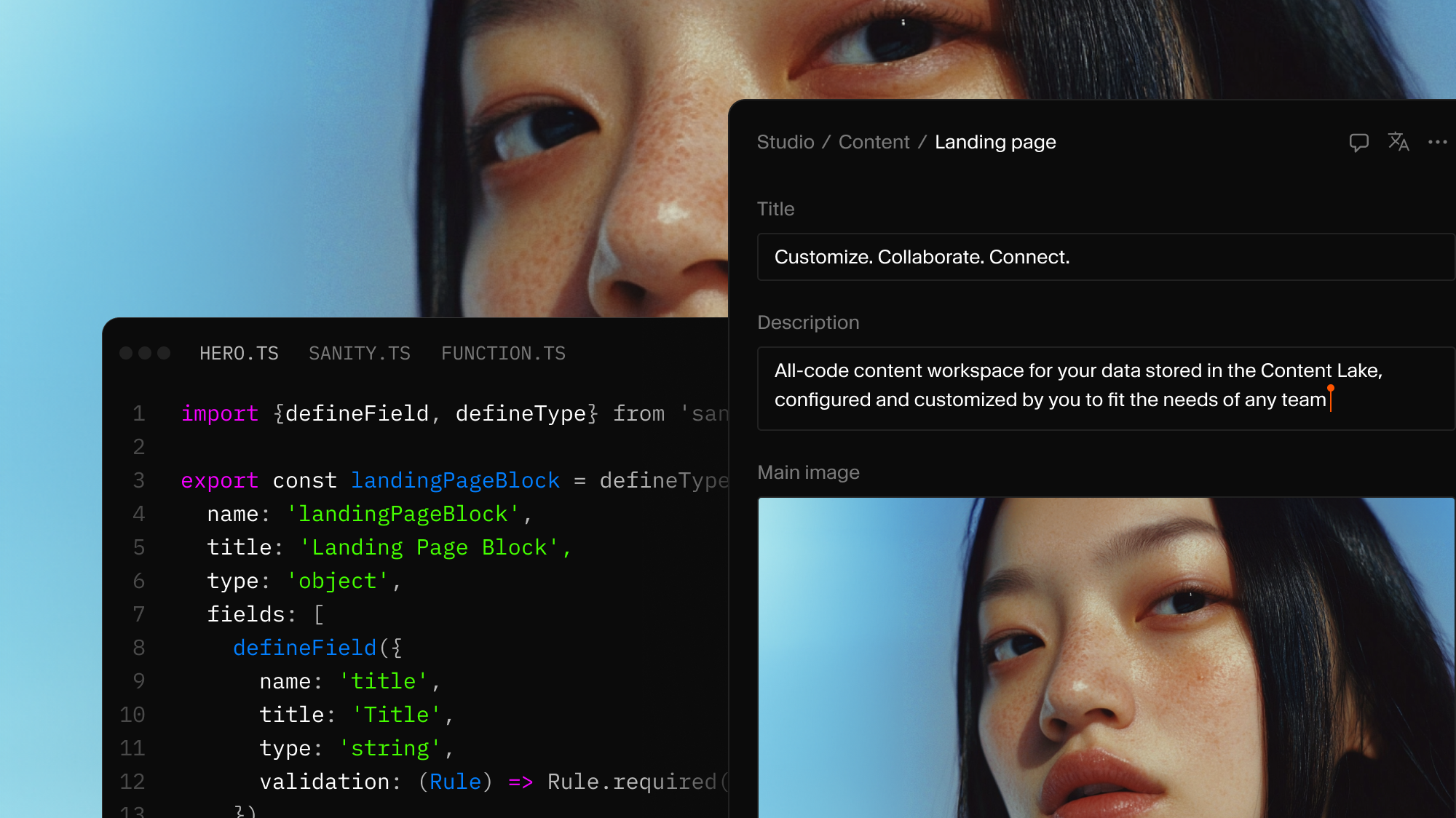
API-first
Reach every site, app, channel, and AI agent from a single source. One API and the Live CDN deliver updates in real time, so you're not rebuilding the same site for every market. Switching to Sanity saved one former AEM customer $15M by consolidating 10+ CMSes.

Lower total cost of ownership
AEM relies on scarce, certified specialists who are hard to hire and retain. Sanity is open source and built on modern web frameworks like React and Next.js, so you can hire from the broader web talent pool instead of being locked into proprietary expertise.
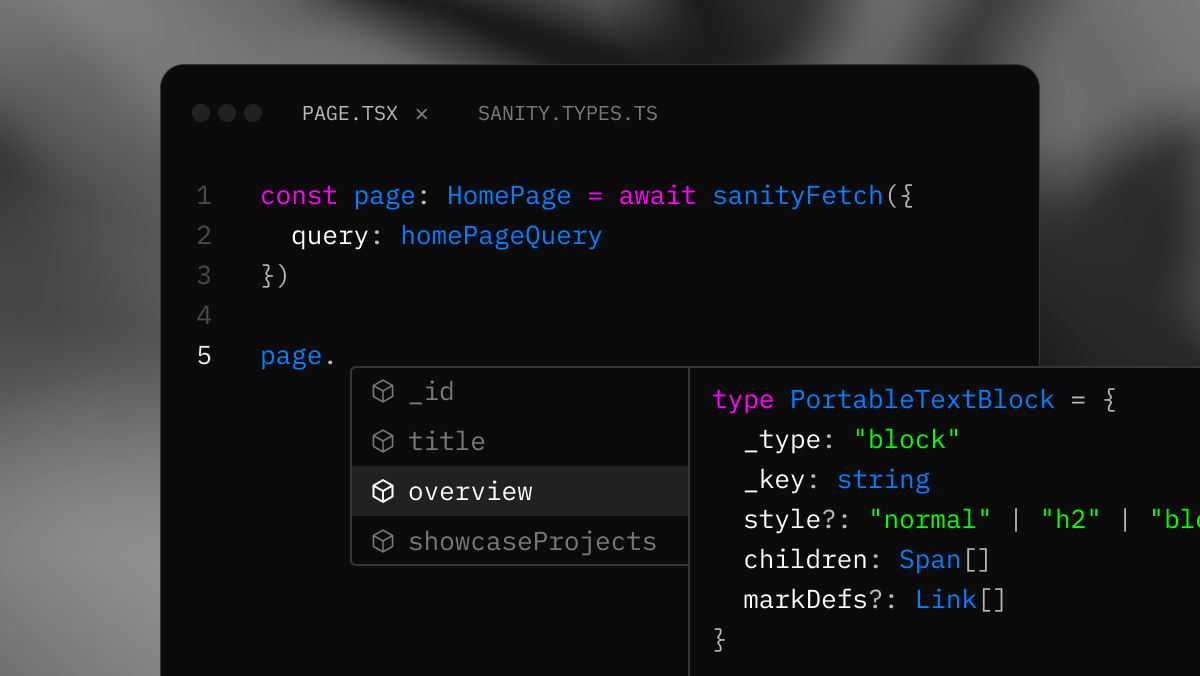
Content + assets
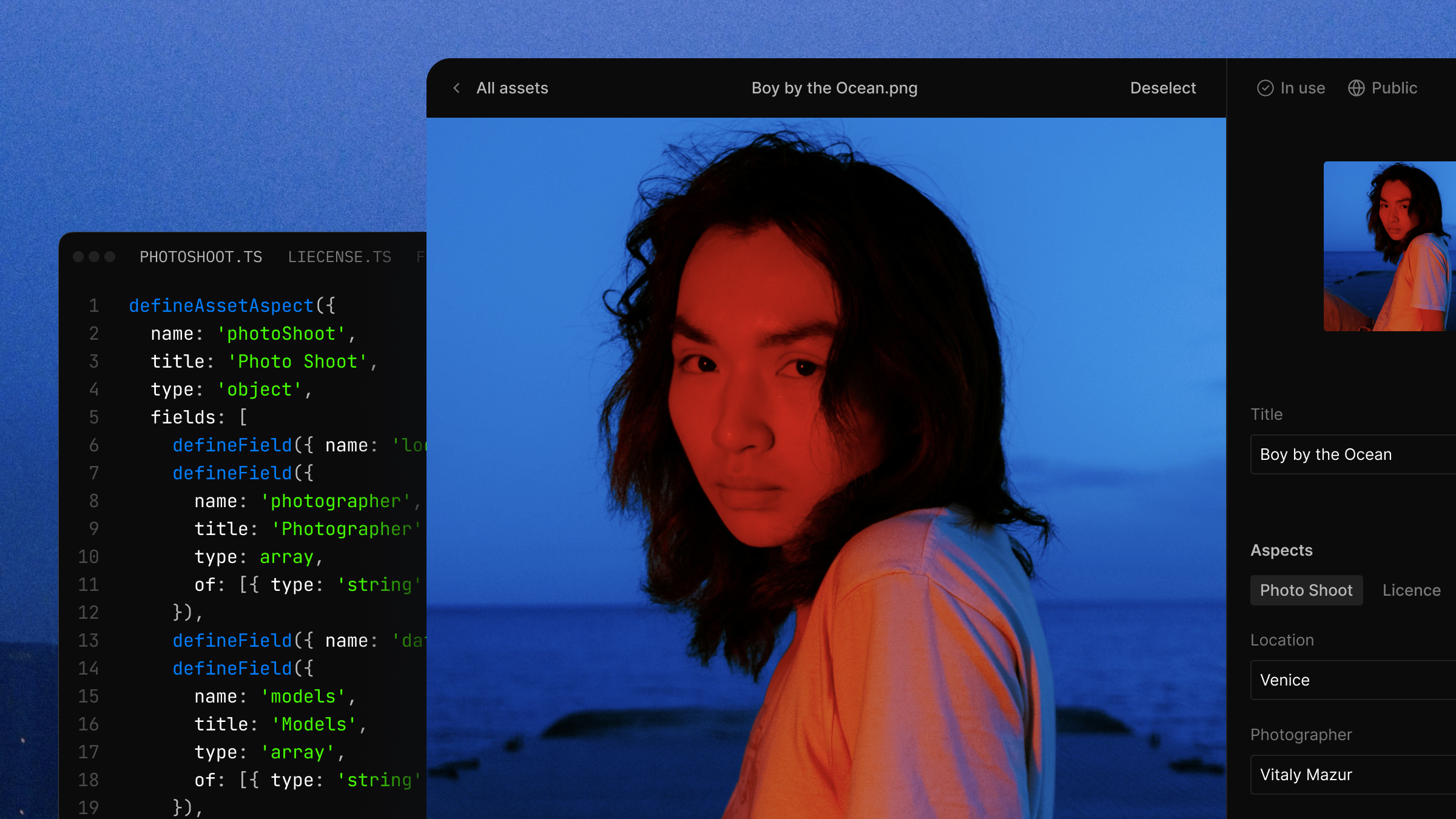
Sanity's Media Library brings assets into the same structured backend as your content. Images, video, and metadata are managed, reused, and delivered from a single source, instead of a separate product you license and maintain.
Media Library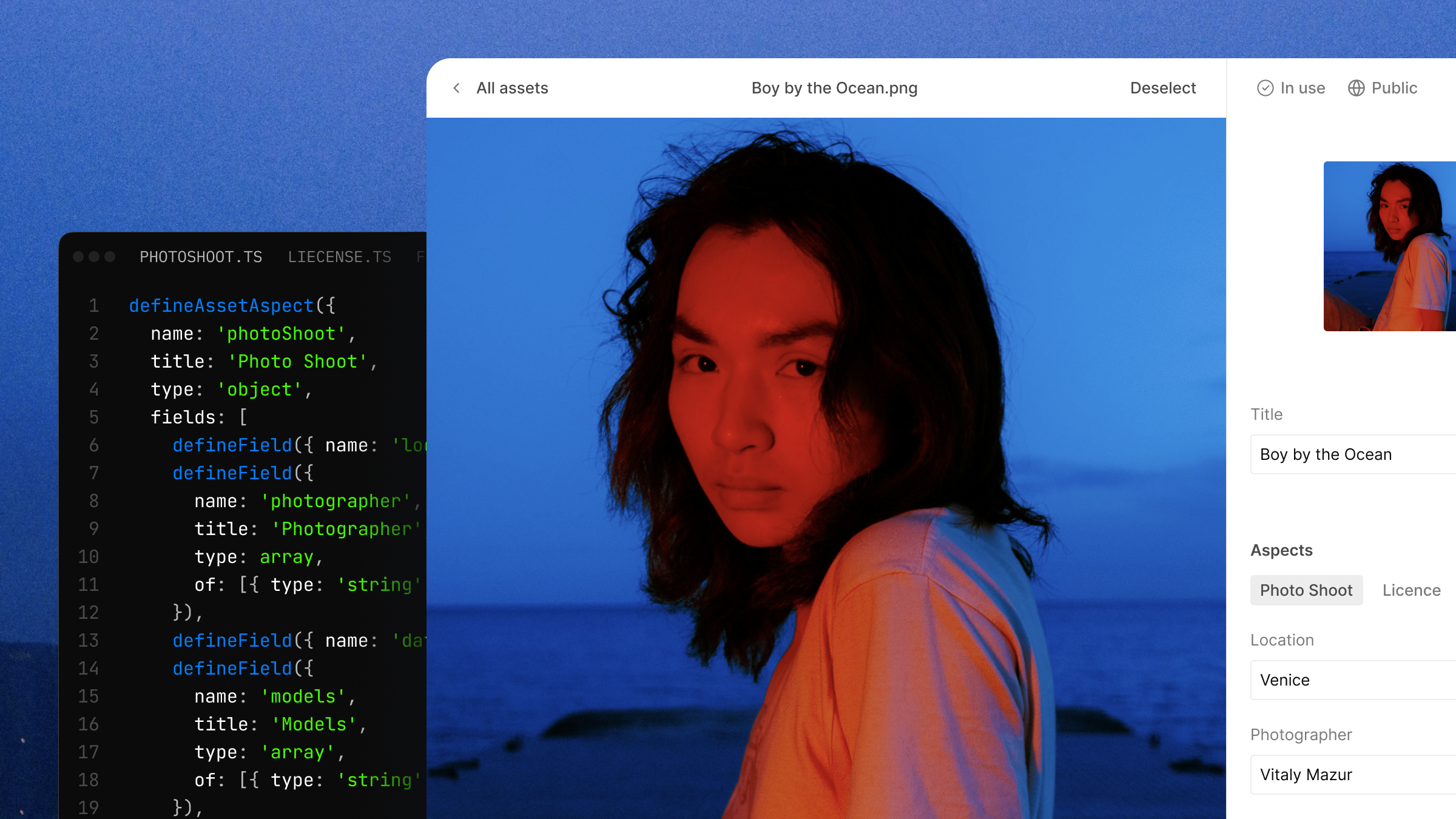
Structured content for AI
Sanity stores content as structured, machine-readable data and governs it from the start. Agents and AI workflows run on the same backend that already powers your site. No retrofitting a platform built for the web a decade ago.

Tata Digital integrates 20+ brands to launch their SuperApp, Tata Neu, in 4 months with Sanity—overcoming the challenges of content diversity and siloed stacks.
“Each brand in our multi-brand portfolio has unique content requirements. We required code-driven schemas—a one-size-fits-all approach wouldn't suffice.”
Pavan Podila
Chief Software Architect, Tata Digital
Tata Digital
For most teams, yes – and often more. Sanity covers content management, structured content, asset management, and multi-channel delivery. If you have Adobe tools you want to keep, like Target or your DAM, Sanity integrates with them through APIs rather than forcing an all-or-nothing switch. Many customers run both during a transition.
No. AEM typically relies on niche Java and AEM-certified specialists who are hard to hire and expensive to retain. Sanity is built on JavaScript and TypeScript. These are widely adopted skills, so you can staff from the general web talent pool and lean on your existing team.
A lot. Enterprises across retail, telecom, media, manufacturing, and travel have moved from AEM to Sanity, including Trend Micro, Tata Digital, David’s Bridal, and many more name brands. Hear first-hand experiences from engineering and product leaders who switched. Watch webinar.
No. Most teams start with a single site or a new project and expand from there, running Sanity alongside AEM while they build confidence. Several of our enterprise customers began by decoupling their frontend and moving one property before scaling across the business.
Most teams on Adobe’s Experience Manager and DAM will move off both together. Sanity’s Media Library manages assets in the same backend as your content, so there is no separate system to license or sync. If you'd rather keep a specialized DAM during a transition, Sanity integrates with it through APIs.
Yes. Structured content is built for reuse across sites, brands, locales, and channels from a single source. Tata Digital runs a multi-brand commerce app on Sanity with a small team, and PUMA manages content across 120+ countries.
Enterprise plans include a 24/7, SLA-backed Slack or Teams channel with sub-hour response from real Sanity employees, plus a dedicated Solutions Architect for onboarding and monthly check-ins and an Account Manager for the relationship. Support isn't metered, you can't use it "too much."
See how an AI-native, headless platform compares