AI-assisted schema generation definition
AI assisted schema generation uses machine learning to build database or markup structures from examples or prompts, accelerating setup, improving consistency, enabling optimizations, reducing errors.
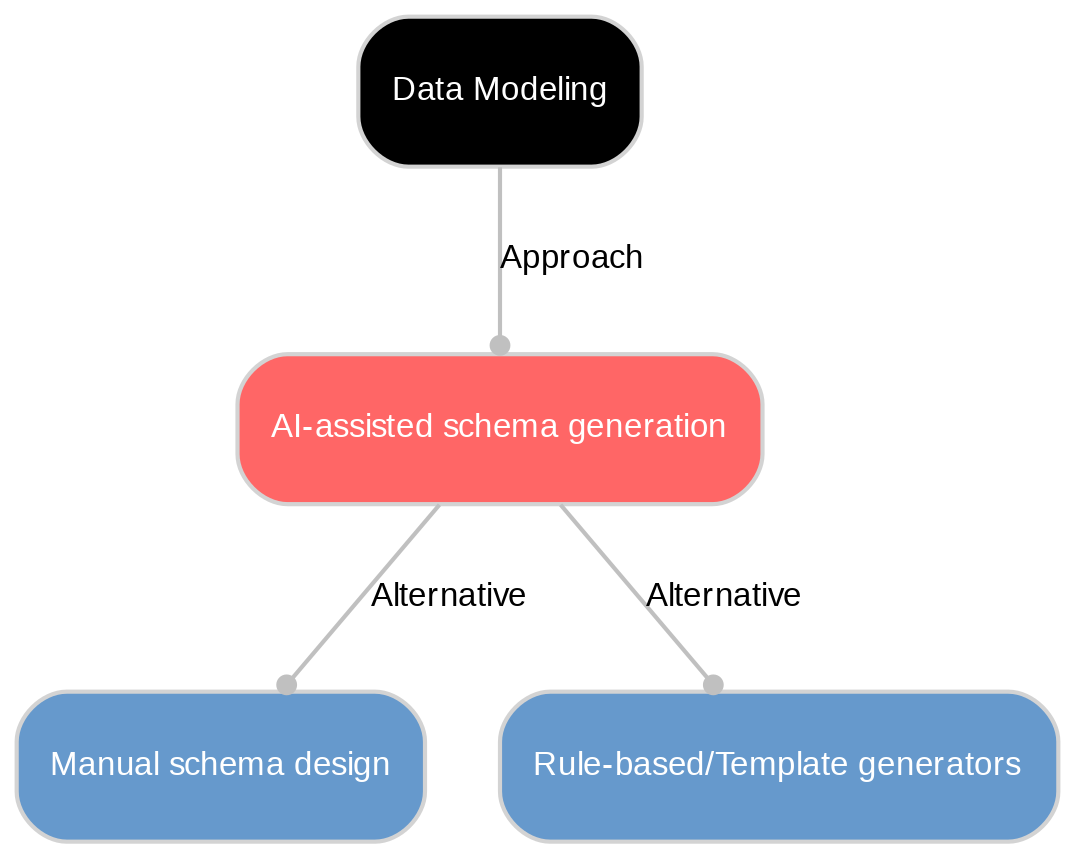
AI-assisted schema generation is the use of artificial intelligence to draft the structure of your data—such as tables, fields, content types, and relationships—based on a simple prompt or sample files. Instead of handcrafting every field, the AI proposes an editable model that you can accept, tweak, or extend, helping teams move from idea to working data design quickly and with fewer mistakes.
Typical workflows include uploading a CSV to auto-detect fields (as seen in ML-assisted tools), chatting in natural language to produce SQL DDL with assistants like GitHub Copilot for MSSQL, or using prompt-driven builders in no/low‑code tools such as NocoDB and Workik. In content platforms like Sanity, schema-as-code and AI helpers can speed up modeling of content types and relationships.
AI-assisted schema generation delivers speed and quality. It helps teams reach a first draft in minutes, reduces modeling mistakes, and enforces consistency in names, types, and relationships. Many tools also suggest keys, indexes, and normalization patterns, and can auto-produce starter DDL, sample data, or documentation—saving time while keeping a clear, editable record.
Common use cases include rapidly prototyping apps and dashboards, mapping partner CSVs into clean models, refactoring or documenting legacy databases, bootstrapping content models in Sanity, and generating structured data for SEO (products, reviews, FAQs) to earn rich results. Teams still keep a human-in-the-loop to validate constraints, privacy rules, and performance before changes reach production.
AI suggestions can be generic or wrong: types, relationships, or indexes may not fit domain-specific needs, and assistants can hallucinate field names or constraints. Performance trade-offs (e.g., over‑normalization or missing indexes) and compliance risks around PII are common pitfalls. For SEO markup, inaccurate structured data can confuse search engines and hurt visibility.
Adopt guardrails: provide representative sample data, then validate with deterministic tools (
Explore Sanity Today
Now that you've learned about AI-assisted schema generation, why not start exploring what Sanity has to offer? Dive into our platform and see how it can support your content needs.
Last updated: