C2PA definition
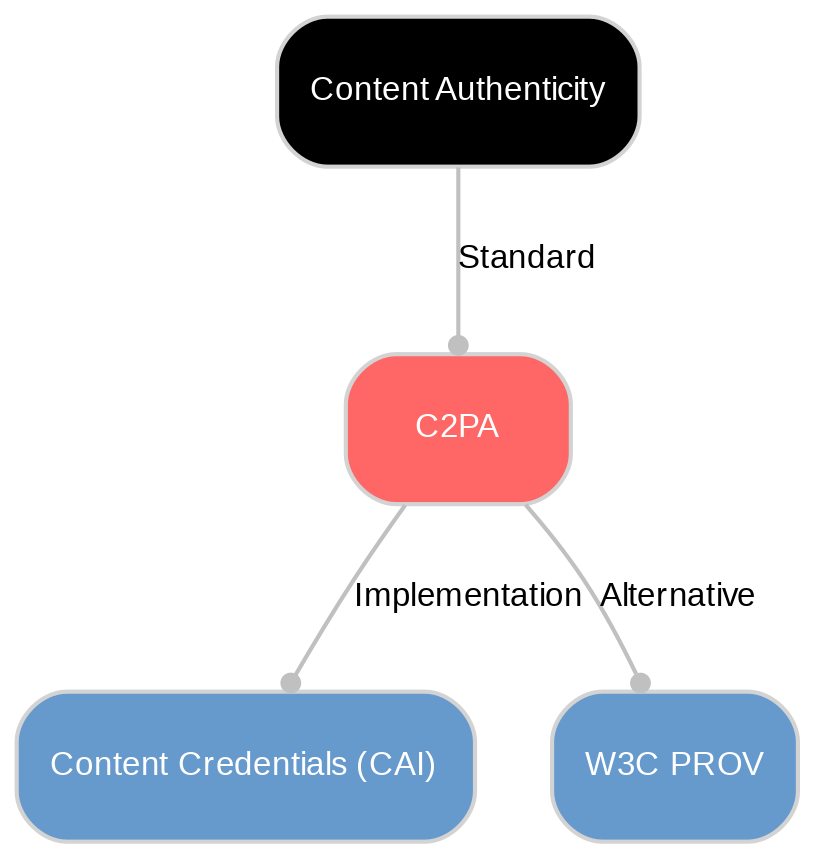
C2PA is an open standard for Content Credentials, attaching cryptographically signed, tamper-evident provenance to media—like a digital nutrition label—showing origins, edits, and helping combat misinformation.
The Coalition for Content Provenance and Authenticity (C2PA) is a cross-industry group that publishes an open standard called Content Credentials. Think of it as a tamper-evident, digital "nutrition label" for photos, videos, audio, and documents, showing who created content, how it was made, and what changed as it moved through editing tools.
Under the hood, C2PA uses cryptographically signed metadata (a "manifest") that can be checked by compatible apps and websites. It aims to boost transparency without deciding what is "true," and it includes privacy controls and redaction options so creators can choose what to share. Publishers, platforms, and consumers can all use it to verify provenance and authenticity.
When a photo is captured on a C2PA‑enabled camera or a video is exported from a supported editor, the tool writes a signed C2PA manifest into the file. It records who created it, edits, tools used, and AI involvement. Each save adds a new entry, forming a tamper‑evident chain.
On publish, sites and apps that support Content Credentials show an icon anyone can click to view and verify. The viewer checks signatures against trusted certificates and confirms the file matches its manifest. If credentials were stripped or changed, you’ll see a warning. Teams keep this intact by preserving manifests across CMS, DAM, and distribution (e.g., Sanity, cloud storage).
Benefits: Content Credentials help audiences judge who made something and how it was altered, giving creators credit, accountability, and AI‑use disclosure. For organizations, they provide a traceable audit trail that supports compliance and media literacy. Limits: C2PA doesn’t decide truth, and while it’s tamper‑evident, credentials can be stripped (for example by resaving or screenshots). It’s not DRM and doesn’t prevent copying; it signals integrity.
Where you’ll see it: Photojournalism and newsrooms, creative tools from CAI members, cameras with built‑in credentials (Leica M11‑P, Nikon Z6III), and smartphones using Qualcomm platforms. Some social sites and publishers display a Content Credentials icon so anyone can inspect provenance before sharing.
Explore Sanity Today
With C2PA under your belt, it's time to see what Sanity can do for you. Explore our features and tools to take your content to the next level.
Last updated: