Content lifecycle optimization models definition
Content lifecycle optimization models structure planning, creation, distribution, optimization, and archiving, using governance, testing, automation, and analytics to improve quality, efficiency, and reuse across channels.
Content lifecycle optimization models are structured frameworks that guide how organizations plan, create, manage, distribute, optimize, and archive content to improve outcomes and reduce waste. They connect daily publishing work to business goals using governance, measurable KPIs, and continuous feedback loops, so content stays accurate, relevant, and cost‑effective across channels.
These models can be stage-based (plan–create–publish–maintain–retire) or continuous, where content is reused and refined over time. Practical tactics include validation and peer review to protect quality and trust, and automation to retire or archive low‑value items and control storage costs. Modern platforms—such as a headless CMS like Sanity, a DXP like Acquia, or a DAM/CCMS—support these models with structured content, workflows, and analytics to drive higher ROI.
Most programs follow a repeatable path: Plan goals and audiences, Create assets, Review for quality and compliance, Manage versions and metadata, Distribute across channels, Measure performance, Improve with insights, and Archive/Retire when value declines. Clear owners, SLAs, and metrics at each step keep work flowing and enable structured content reuse to cut duplication.
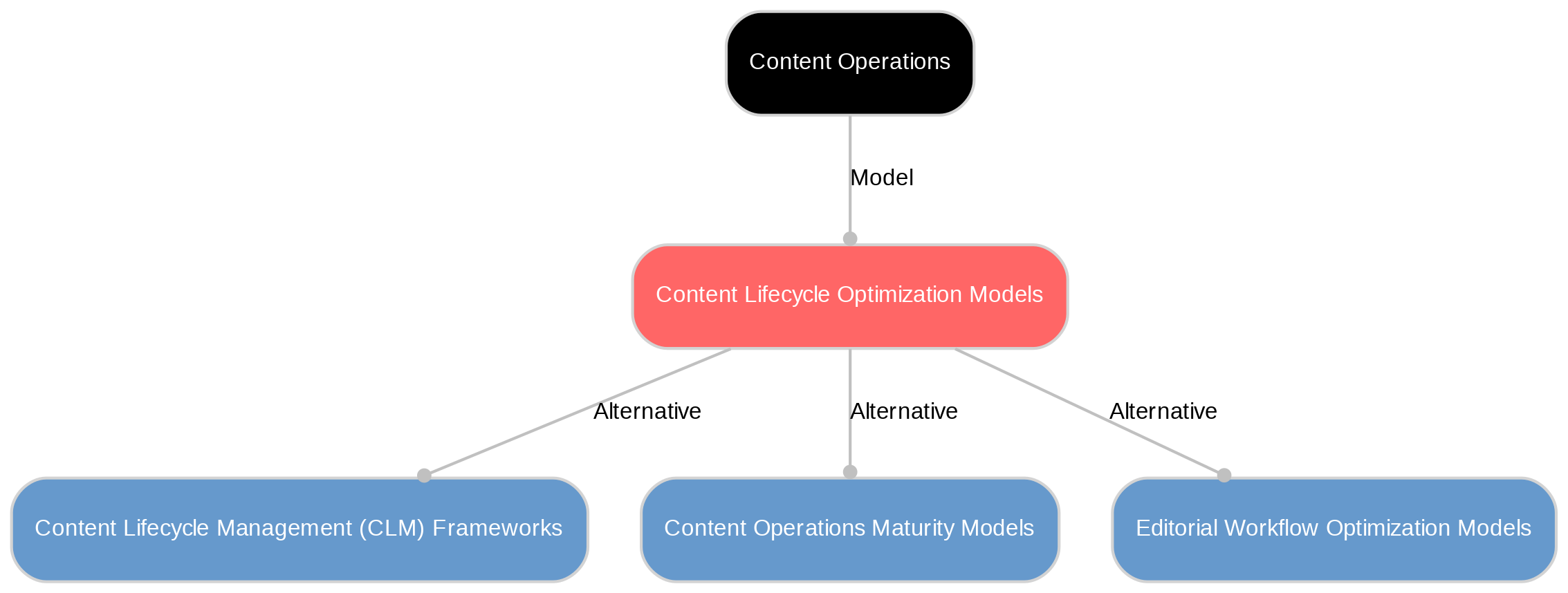
Common models include Boiko’s Collect–Manage–Publish (simple throughput), Hackos’ Authoring–Repository–Assembly/Publishing (component-first), and the Records Continuum (content can be active and preserved at once). Put them to work with quality gates (test/preview) and policy-driven retention (e.g., auto-tiering/expiry in cloud storage). Platforms like Sanity or Acquia DXP map these stages to workflows, permissions, and analytics for consistent execution.
Adopt standardized briefs, templates, and checklists so teams start fast and meet brand, legal, and accessibility requirements by default. Build quality gates into workflows: creator self-checks, peer review, and user validation in a test environment before publishing. Use a component/content model in a CCMS, DAM, or headless CMS like Sanity to structure copy, media, and metadata for easy reuse and localization. Automate routine steps—approvals, link checks, alt text prompts, and archiving rules—to reduce manual effort and errors. Centralize metadata and UTM standards to track performance, then apply insights to optimize and repurpose high performers. Maintain versioning and preview environments to safely iterate without risking live experiences.
Explore Sanity Today
Now that you've learned about Content lifecycle optimization models, why not start exploring what Sanity has to offer? Dive into our platform and see how it can support your content needs.
Last updated: