Content taxonomy definition
Content taxonomy is a structured system for classifying digital content—using categories, tags, and metadata—to improve findability, management, personalization, and SEO across websites and CMS platforms.
Content taxonomy is a structured way to classify your digital content using a controlled, consistent vocabulary. Think of it like a Dewey Decimal System for your website: a clear set of approved categories, tags, and labels that describe what each item is about. Unlike your site’s menus, which are designed for people, taxonomy is a backstage system that powers search, filters, related content, and reporting.
A practical taxonomy typically combines categories (broad groups), tags (specific attributes), and metadata (details such as audience, format, or lifecycle stage). When applied consistently, it helps people find the right content faster, supports accurate analytics, enables personalization, and keeps naming and organization aligned with your brand goals.
With a consistent set of categories and tags, your search can suggest terms, power facets and filters, and match synonyms to the right results, boosting both precision and recall. A clear
Those same labels let you tailor experiences: deliver content by audience, topic, format, or lifecycle stage without rewriting it. And because every asset is described the same way, reports become trustworthy: measure performance by topic or theme, spot content gaps, compare channels, and attribute impact. Tools like Sanity can read these fields to drive filters, recommendations, and dashboards.
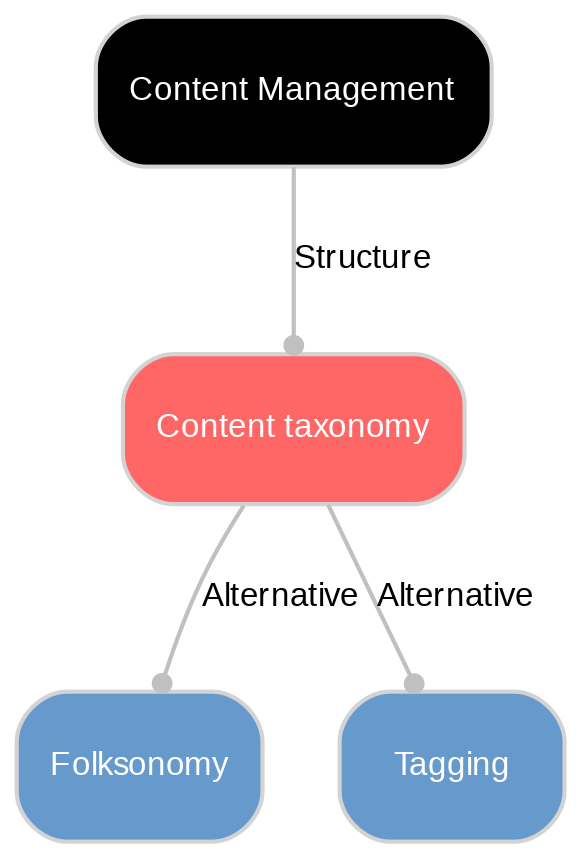
Those labels also do a second job: retrieval. An assistant or agent answering a question has to locate the right material before it can read it, and a controlled vocabulary is what narrows the candidate set. The same topic, audience, and format fields that power a faceted search page become the filter the agent applies first. In Sanity, taxonomy fields are what a GROQ query filters on, and Sanity Context serves that structured, schema-aware access to agents over MCP. Semantic similarity scores results rather than filtering them, so the approved terms decide what gets ranked at all.
Start with goals and audience. Audit content and agree on 5–7 top categories that match user language. Use a controlled vocabulary: choose preferred terms, capture synonyms, and write brief definitions. Keep the hierarchy shallow and labels plain.
Set clear tagging rules. Make key fields required (topic, audience, format, lifecycle) and use picklists to prevent free‑text drift. Train editors and test with quick card sorts. Decide early how model-suggested terms enter the vocabulary: treat them as proposals an owner approves, the same as a term proposed by an editor. Tools like Sanity let you manage approved terms and relationships centrally.
Maintain it. Assign an owner, review quarterly using search logs and zero‑result queries, retire or merge weak terms, and map old labels to new ones. Document changes and track effects on findability and reporting.
Discover More with Sanity
Now that you've learned about Content taxonomy, why not start exploring what Sanity has to offer? Dive into our platform and see how it can support your content needs.
Last updated: