Distributed content ownership definition
Distributed content ownership is a model where many teams manage content, improving speed and relevance while requiring governance, workflows, and tools like Sanity for consistency.
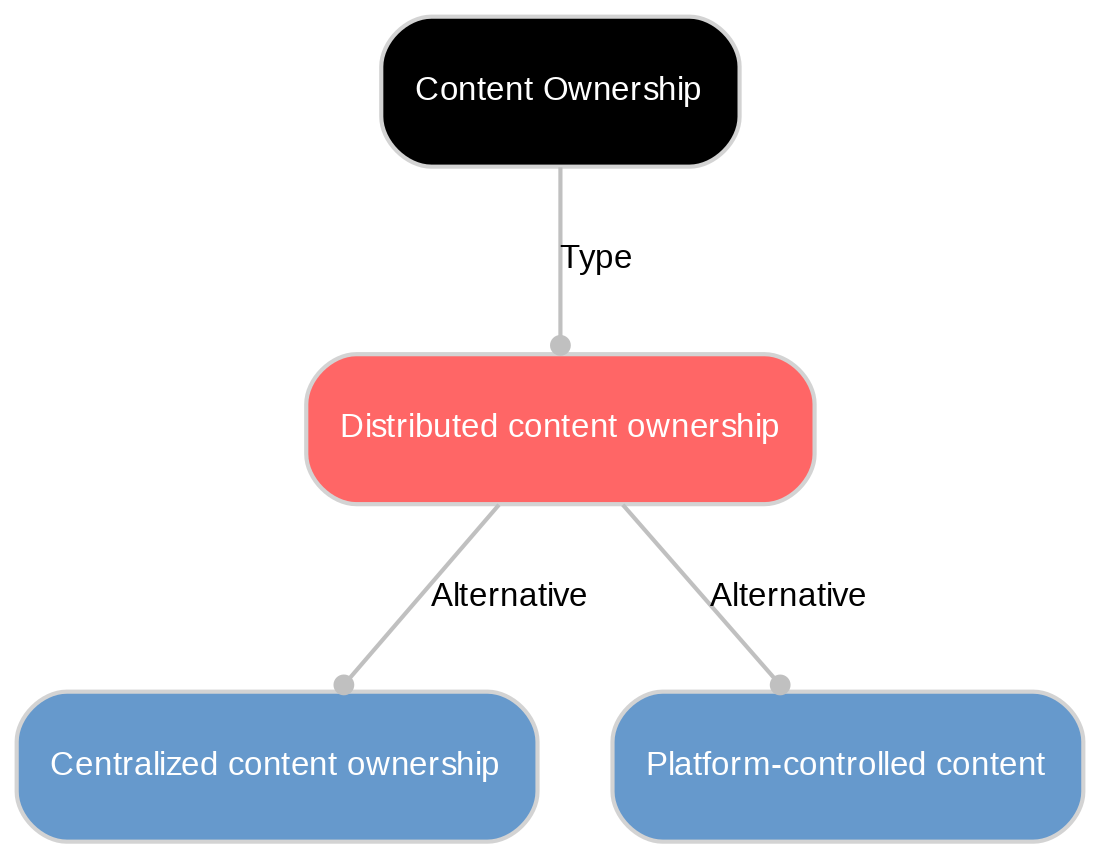
Distributed content ownership is a management approach where responsibility for creating, updating, and retiring content is shared across teams and subject matter experts, rather than handled by a single central group. It gives the people closest to the work the power to keep pages accurate and timely, while a clear governance framework sets standards for quality, voice, and compliance.
Many organizations adopt a hybrid model: a central team defines guidelines and manages high‑impact areas, while departments own their specific sections. Modern platforms support this with roles, permissions, workflows, and real‑time collaboration. For example, a headless CMS like Sanity lets organizations tailor editing experiences, embed approvals, and reuse content across sites and apps without sacrificing consistency.
Teams pick distributed ownership to move faster and stay accurate. When subject matter experts update their own pages, changes ship quickly, mirror reality, and scale without a central bottleneck. It also increases accountability and local relevance, improving trust and reducing reliance on unofficial docs.
Risks include inconsistent tone and structure, duplicate or stale pages, fragmented navigation, weaker search, and compliance gaps. Mitigate with clear standards, an ownership map, expiry dates, review cadences, and training—plus guardrails in your CMS. Sanity supports this with schema validation, reusable templates, role‑scoped actions, approval flows, version history, and automated checks.
Start with a clear RACI: a central team owns standards and training, departmental owners keep pages accurate, and reviewers/approvers sign off where risk is higher. Name a taxonomy/search owner to protect findability. Keep a living content registry that maps every page to an owner and review cadence, and set simple SLAs for updates so accountability is explicit.
Codify governance with a concise style guide, approved templates, and required metadata (purpose, audience, review date). Design a lightweight workflow with states like Draft → Review → Publish → Archive, plus automated review reminders and stale‑content dashboards. In Sanity, enforce rules via schemas and validation, use roles and permissions for approvals, enable real‑time collaboration, scheduled publishing, and rely on history/audit and the Content Agent to spot gaps or bulk‑fix metadata.
Unlock New Possibilities with Sanity
With Distributed content ownership under your belt, it's time to see what Sanity can do for you. Explore our features and tools to take your content to the next level.
Last updated: