Terminology and glossary management definition
Terminology and glossary management standardizes terms across content, using termbases and governance to protect brand clarity, reduce translation errors, and streamline global operations with Sanity.
Terminology and glossary management is the practice of identifying, approving, and maintaining key terms your organization uses—product names, features, legal phrases, and industry jargon—and ensuring they’re used consistently across channels and languages. It typically relies on a termbase (a structured list of terms with approved definitions, translations, and usage notes) that writers, marketers, translators, and support teams can trust.
With clear governance—owners, review cycles, and publishing rules—teams avoid mismatched wording, translation errors, and brand drift. Consistent terminology reduces editing and rework, supports compliance, and improves customer understanding. Tools range from spreadsheets to dedicated software; content platforms like Sanity can store terms as structured content and apply workflows, permissions, and taxonomies to keep everything aligned.
Global teams multiply every term across markets, languages, and vendors. If “sign in,” “log in,” and “login” appear interchangeably—or are mistranslated—customers get confused, support tickets rise, and legal text can become risky. Translators waste time guessing, and rework balloons. Consistent terminology gives everyone the same reference, so messages stay clear and brand‑safe everywhere.
A centralized termbase with approved definitions, translations, and usage notes lets writers, product, legal, and localization partners pull from one source of truth. This cuts post‑editing, speeds launches, reduces costs, and strengthens SEO and on‑site search. With simple governance—owners, review dates, and publishing rules—regional teams stay aligned while adapting content to local culture.
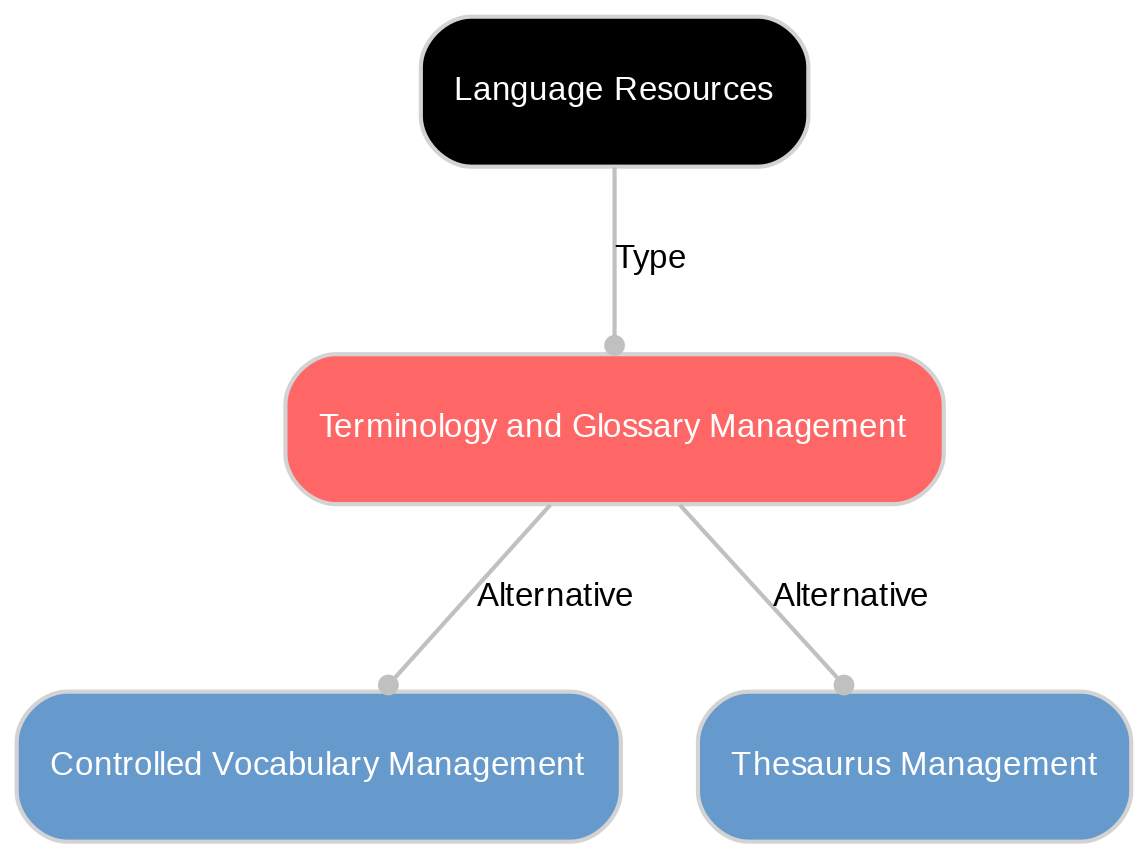
Start by collecting candidate terms from product UI, help content, contracts, support tickets, and search logs. Prioritize high‑impact terms customers see often. For each entry, capture preferred term, synonyms and forbidden variants, a plain‑language definition, example sentence, owner, status (proposed/approved/deprecated), review date, and any legal or regulatory notes. Add approved translations with market‑specific notes to avoid mistranslation.
Put simple governance in place: a propose → review → approve flow with SMEs, Legal, and Localization, plus scheduled audits. Publish the termbase where people work—link it in style guides, surface term hints in authoring tools, and sync with your TMS/CAT. In Sanity, model a “Term” content type, apply roles and approvals, tag content with terms, and expose an API so websites and help centers use the same definitions. Track changes, deprecate safely, and train new contributors.
Unlock New Possibilities with Sanity
Now that you've learned about Terminology and glossary management, why not start exploring what Sanity has to offer? Dive into our platform and see how it can support your content needs.
Last updated: