Enterprise content without the enterprise overhead
Magnolia is a traditional enterprise DXP — Java-based, partner-dependent, and built around months-long implementations. Sanity gives you the structured content foundation and AI-ready workflows your team needs, without the overhead that comes with it.
Trusted by leading digital innovators














Why choose Sanity over Magnolia?
Schema as code, not configuration
Magnolia's content model is configured through the UI and admin tools. In Sanity, your schema is defined in JavaScript or TypeScript — it lives in your codebase, versions with Git, and deploys with your team's normal workflow. Developers have full control without needing a certified implementation partner.
Real-time collaboration without add-ons
Magnolia's collaboration features require careful workflow configuration. Sanity ships with multiplayer editing out of the box — multiple editors can work in the same document simultaneously, with changes syncing instantly and no conflicts.
AI built in, not bolted on
Sanity's structured content backend is what makes AI actually work. Content Agent handles bulk edits and audits through conversation. Agent Context grounds your AI agents in real, governed content. The Agent API generates, transforms, and translates content programmatically.
Days to deploy, not months
Magnolia implementations typically take 4–8 months with a certified partner. Sanity projects can be production-ready in days. Your schema is code, your Studio deploys like any other app, and there's no Java stack to configure or maintain.
Different architectures, different trade-offs
Magnolia is built for enterprises that want a unified DXP with built-in personalization, campaign management, and deep CRM integrations. It starts at $6,000/month, runs on Java, and typically requires months of implementation work and certified partners to configure.
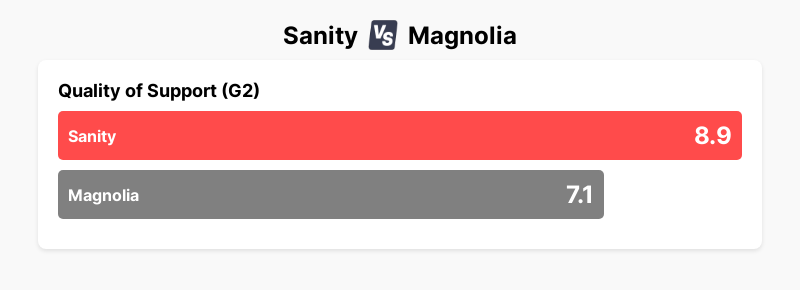
Sanity takes a different approach. Your content model lives in code, your team can be up and running in days, and the platform scales from a single developer to global enterprise teams without requiring a specialist to change a workflow. On G2, Sanity scores 8.9 for Quality of Support vs. Magnolia's 7.1 — and that gap reflects a fundamentally different relationship with customers.







Sanity's Content Operating System
The intelligent backend for companies building AI content operations at scale. Sanity provides the structured foundation, automation layer, and agentic context companies need to move faster, work smarter, and power every content experience, from websites to AI agents.
Content Lake
A no-ops storage and distribution layer that syncs content and data for use by teams across your organization. Its precise query language enables reusing content anywhere.
Sanity Studio
A content workspace you can tailor to match your team's needs—with all the visual tools they expect built-in. Real-time collaboration removes bottlenecks and empowers teams with custom access and workflows.
APIs
Sanity's APIs are designed for developers to thrive. They seamlessly integrate with existing CI/CD workflows, support programmatic schema coding, and offer real-time 2-way syncing.
AI built into every layer
Content Agent runs bulk edits and audits through conversation. Agent API handles schema-aware generate, transform, and translate. Compute triggers automation on any content change. And the MCP Server gives AI agents governed access to your content. It's not bolted on — it's built in.
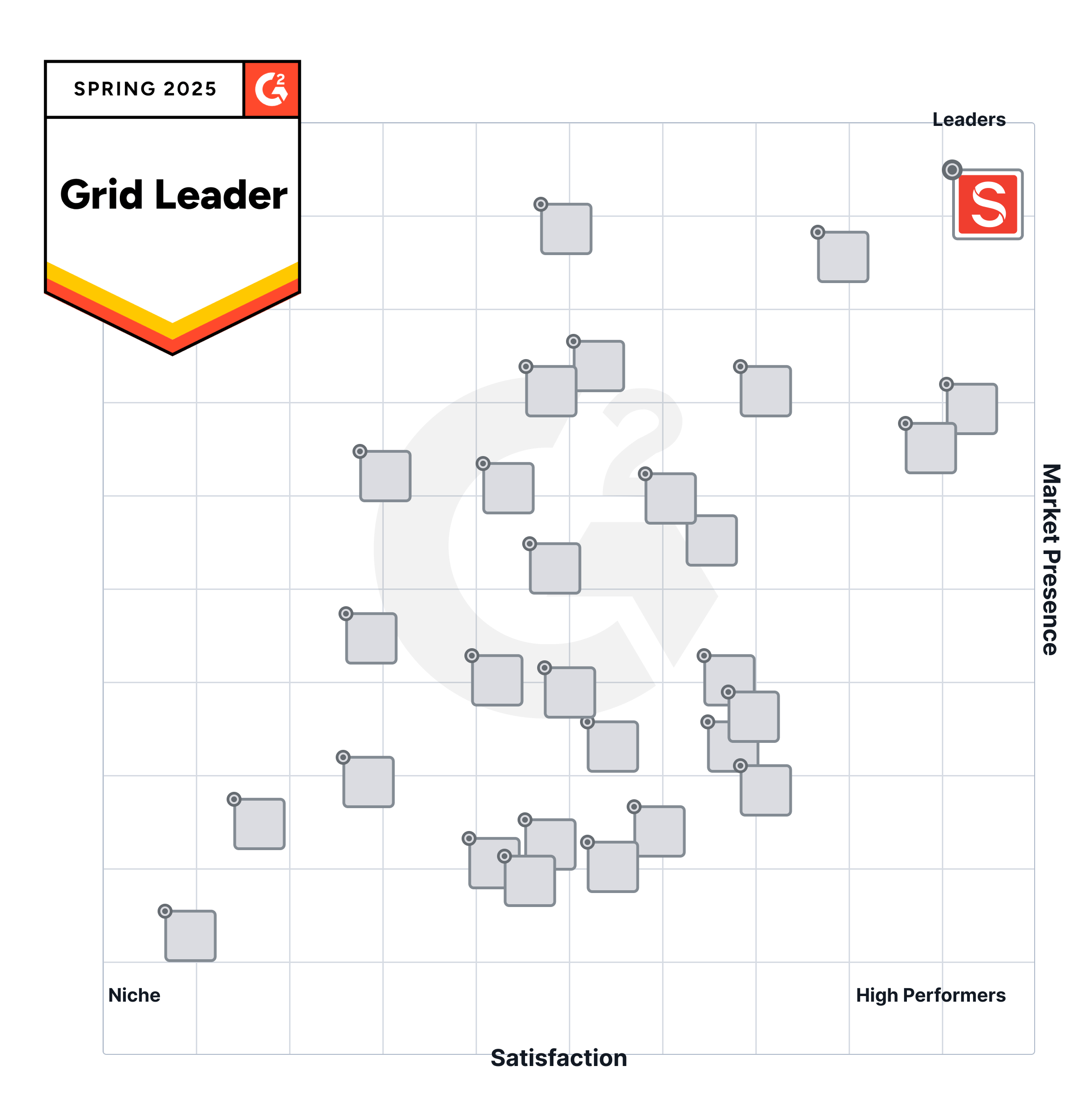
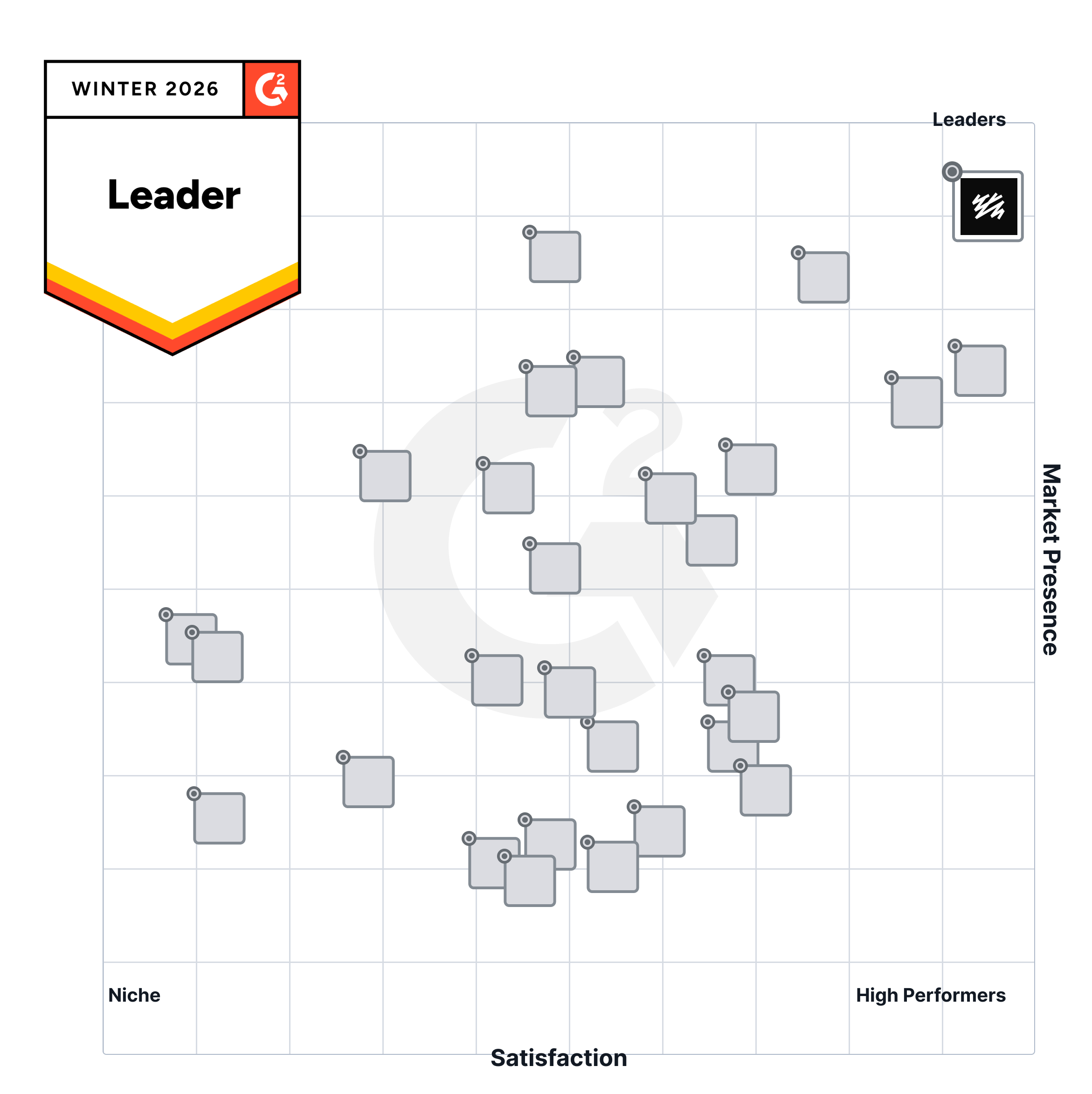
Sanity is ranked #1 out of 85 CMSes on G2
G2.com, the world's largest marketplace for software, has rated Sanity as the #1 leader in the Headless CMS category, as measured by customer review ratings and market presence
Enterprise Ready
Scalable
Expand effortlessly with our global cloud platform, designed for seamless scaling from prototypes to production-level solutions.
Performant
Boost performance with our responsive APIs and collaborative tools, bolstered by a worldwide CDN and edge-caching for lightning-fast data retrieval.
Secure
SOC 2, GDPR, & CCPA compliant platform. 24/7/365 monitoring. >99.9% uptime. Hosted on industry-leading infrastructure. Custom access control. SSO.
Data Integrity
Preserve your data's fidelity with dedicated infrastructure, custom CDN domains, complete document histories, and access to every revision for a full year and beyond.
FAQ
What is the difference between Sanity and Magnolia CMS?
The main difference is architecture and approach.
Magnolia is an enterprise DXP built on Java, designed for organizations that want a unified platform for content, personalization, and integrations. Implementations typically run 4–8 months and require certified partners to configure the platform.
Sanity is a fully managed Content Operating System built around structured content, a code-based schema, and a customizable editing environment. Teams can go from zero to production in days, and developers work with JavaScript, TypeScript, and Git rather than a Java stack.
Both platforms serve enterprise teams, but Magnolia is optimized for traditional enterprise deployment models, while Sanity is built for teams that want to move faster and adapt more easily. See how Sanity's platform works →
Is Sanity a good alternative to Magnolia?
Yes, particularly for teams that find Magnolia's implementation complexity, licensing costs, or Java architecture at odds with how they want to work.
Sanity is a strong fit when you need structured content that can be reused across channels, a customizable editing environment your team can configure without certified partners, real-time collaboration, and built-in AI features. It is also a better fit for teams that want their content infrastructure to live in code alongside the rest of their stack. Explore Sanity's enterprise features →
How does Sanity compare to Magnolia for enterprise teams?
Both platforms support global scale, but through different architectures. Magnolia gives enterprise teams a unified DXP with built-in personalization, campaign management, and deep integrations with tools like Salesforce, SAP, and Adobe. It suits organizations that want a single vendor to cover a wide surface area of digital experience management.
Sanity gives enterprise teams a flexible content backend they can shape to fit how their business actually works. Content models live in code, editorial workflows are fully customizable, and the platform connects to any stack via API. Brands like PUMA, Figma, and Morning Brew use Sanity to manage content operations across multiple brands, regions, and channels from a single structured backend. Read enterprise customer stories →
Is Sanity cheaper than Magnolia?
In most cases, yes — significantly. Magnolia's licensing starts around $6,000 per month, not including the cost of certified implementation partners and ongoing Java development work.
Sanity has a free tier, a Growth plan at $15 per seat per month, and custom Enterprise pricing for teams with complex requirements. Because Sanity projects can be managed by standard JavaScript and TypeScript teams, the total cost of ownership is typically a fraction of a comparable Magnolia deployment. See Sanity's pricing →
How long does it take to implement Sanity vs. Magnolia?
A typical Magnolia implementation requires 4–8 months with a certified partner. Sanity projects can be production-ready in days. Your schema is defined in code and deploys like any other application — no Java stack to configure, no partner certification required, and no months-long scoping process before editors can start working. Get started →
Which is better for developers: Sanity or Magnolia?
For most development teams, Sanity is the stronger choice. Magnolia requires specialized Java expertise and often involves slow build-redeploy cycles. Sanity is built for the JavaScript and TypeScript ecosystem — your schema lives in your codebase, the Studio is a customizable React application extendable with the App SDK, and content is queried with GROQ or GraphQL. Most developers can be productive in Sanity within hours, not weeks. Explore Sanity for developers →
Does Sanity support enterprise security and compliance?
Yes. Sanity's enterprise tier includes SOC 2 Type II compliance, GDPR and CCPA support, SSO (SAML), custom access controls, dedicated infrastructure, and a 99.9%+ uptime SLA. For teams with strict data residency or compliance requirements, Sanity meets those needs without the maintenance burden of a self-hosted Java DXP. Learn about Sanity's security →
Is Sanity better than Magnolia for AI content operations?
Yes. Magnolia has added AI features on top of a legacy architecture. Sanity's AI capabilities are built into the content backend from the ground up — because your content is structured and queryable from day one, AI workflows are reliable rather than bolted on.
Content Agent handles bulk edits, audits, and content operations through conversation. Agent Context gives AI agents accurate, real-time answers grounded in your structured content. The Agent API lets you generate, transform, and translate content programmatically with outputs validated against your schema.
How hard is it to migrate from Magnolia to Sanity?
Migration complexity depends on how much content you have, how deeply your frontend is coupled to Magnolia's rendering layer, and how many integrations need to be reconnected.
For teams moving from Magnolia's page-rendering model to a headless approach, the migration is also an opportunity to redesign your content model around structured, reusable content rather than page templates. That shift tends to pay off quickly in flexibility and reduced maintenance. Sanity's API makes it straightforward to script the migration of content from Magnolia's JCR (Java Content Repository) into the Content Lake. Read the guide on content migrations →