The content backend Hugo deserves
Hugo is fast. Your CMS should be too. Sanity is the structured content backend for Hugo teams that want schema as code, precise build-time queries, and editorial workflows that scale from a simple blog to docs, landing pages, and multi-site content
Trusted by leading digital innovators














Built for modern static-site operations
Sanity is more than a CMS bolted onto a static site generator. Sanity is designed to help teams model, manage, preview, and ship structured content as their sites, teams, and workflows get more complex.
Schema as code
Define your content model in JavaScript or TypeScript, version it in Git, and evolve it as your site grows. Sanity Studio is driven by that schema, so developers stay in control of structure while editors get a tailored experience.
Build-time fetching with precision
Query exactly what your Hugo templates need. Use GROQ and the Query API to shape content for list pages, docs, landing pages, taxonomies, navigation, and SEO fields without maintaining a maze of custom endpoints.
Structured rich text that survives redesigns
Portable Text keeps content structured instead of trapping it in blobs of HTML. That makes it easier to render long-form content as HTML, Markdown, or custom Hugo components based on the experience you want to ship
Preview before you publish
With Visual Editing, editors see how a page looks before it goes live, without waiting for a build. Catch problems before publishing, not after.
AI-ready by design
Sanity is the back-end built for AI content operations at scale. Translation, enrichment, tagging, and reuse all work better when content is modeled as data instead of page-shaped markup.
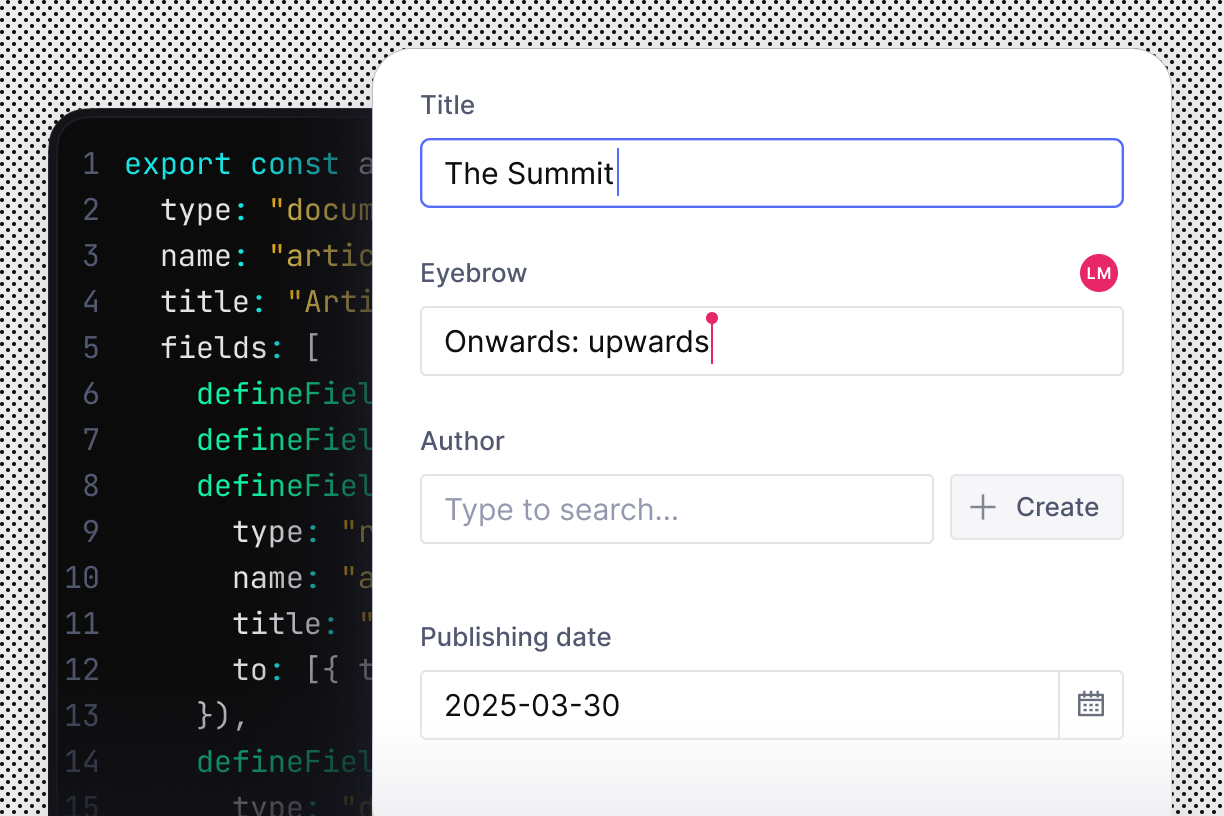
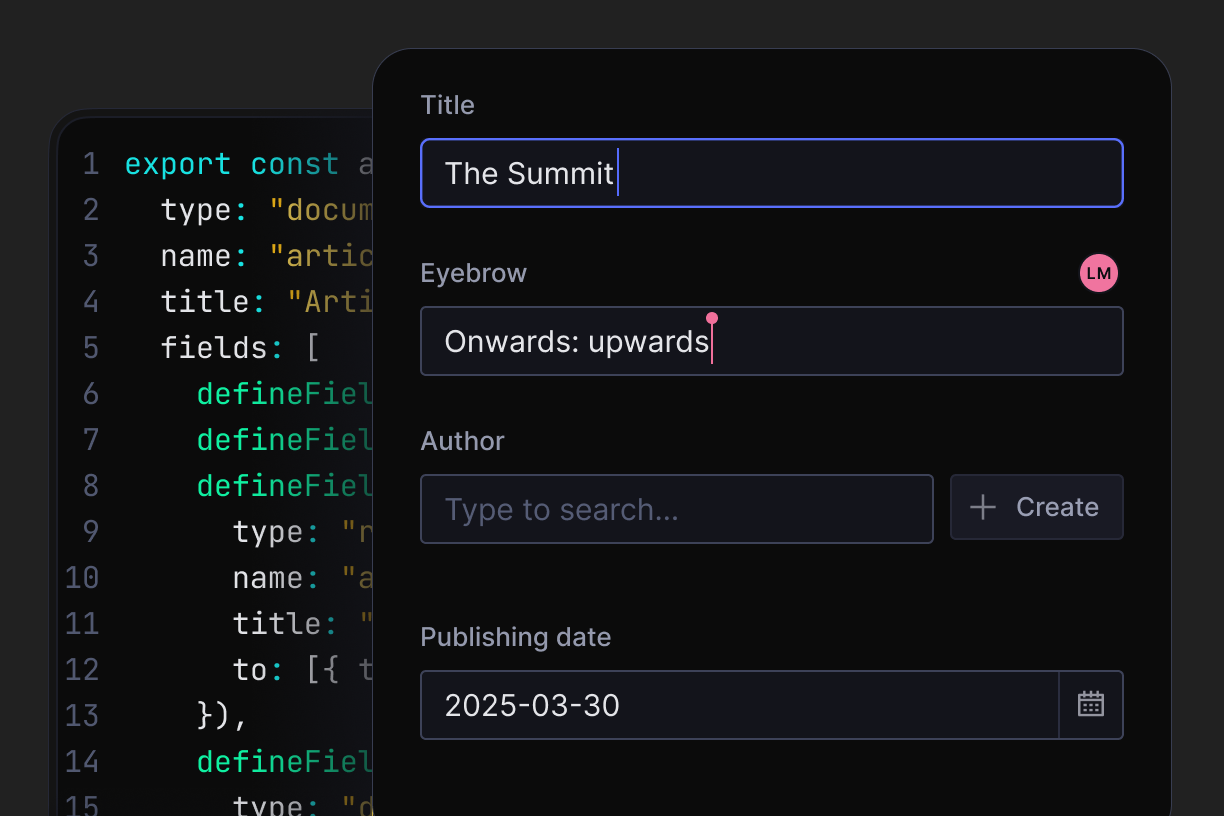
From content schema to custom editor in minutes
Define your schema in TypeScript and get a fully functional content workspace instantly. Near-infinitely configurable and customizable interfaces and workflows. The fastest way to get from zero to production-grade content editing.
SSG integration without stack lock-in
Sanity works with Hugo and other static site generators, but it does not try to take over your architecture. Keep the stack you trust and add a content backend that adapts to it

Create content once, reuse everywhere
No matter the channel, region, or device—deliver on-brand, consistent, and up-to-date content by projecting every display from a uniform structured content layer.
Reuse, mix, and match content for different contexts, while keeping every touchpoint in sync with your structured content.

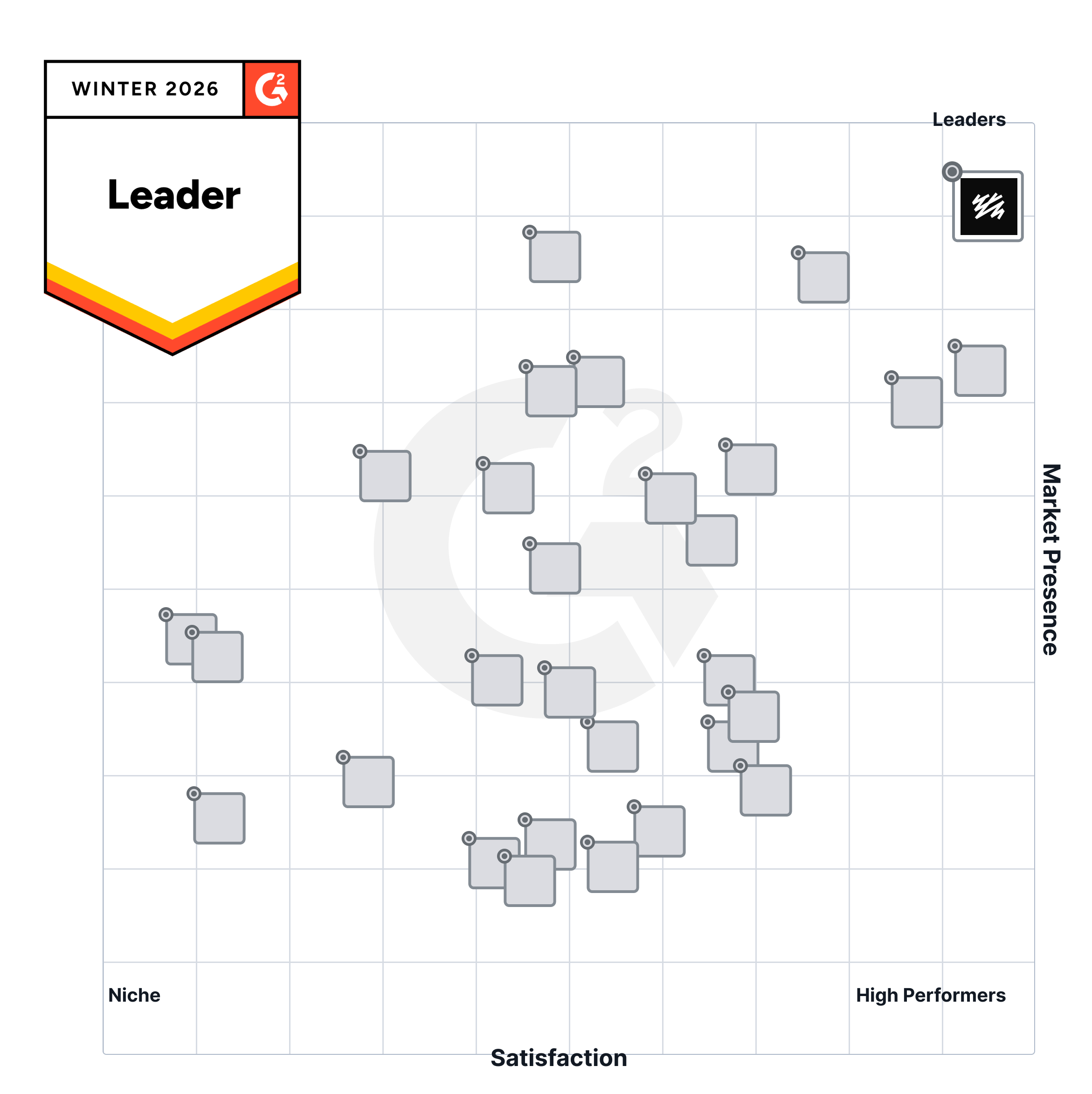
Sanity is ranked #1 out of 85 CMSes on G2
G2.com, the world's largest marketplace for software, has rated Sanity as the #1 leader in the Headless CMS category, as measured by customer review ratings and market presence








Integrate Sanity with other technologies
Sanity can be integrated with any major framework, providing the flexibility need to have full control of your project.














FAQ: Using Sanity as a CMS for Hugo
Can you use Sanity with Hugo?
Yes. Sanity works well with Hugo because Sanity stores content in Content Lake and exposes it through APIs such as GROQ queries over HTTP. Hugo can fetch remote data during the build process and use it to generate pages.
Developers typically query Sanity during a Hugo build and use the returned JSON to populate templates.
Learn more:
Is Sanity a good CMS for Hugo sites?
Yes. Sanity works well with Hugo when you want structured content, custom editorial workflows, and API-based content delivery without giving up Hugo's static build pipeline.
Hugo handles rendering and static site generation, while Sanity manages content modeling, editing workflows, and structured content storage. This separation lets developers keep Hugo's performance and flexibility while giving editors a modern content workspace.
Learn more:
How do you fetch content from Sanity in Hugo?
Most Hugo integrations fetch Sanity content during the build process.
Common approaches include:
- Querying Sanity with GROQ via the Query API
- Fetching Sanity JSON as a remote data source in Hugo
- Using Hugo content adapters or build scripts to generate pages from Sanity data
Which approach you choose depends on whether you want Hugo itself to fetch the content or prefer a preprocessing step that writes content to Hugo's data or content directories.
Learn more:
Do you need a JavaScript frontend to use Sanity with Hugo?
No. Sanity's APIs are HTTP-based, so any system that can make HTTP requests can fetch content.
Hugo can request Sanity data during the build process and render it into static pages without requiring a JavaScript frontend framework.
This makes Sanity compatible with static site workflows where Hugo handles all rendering.
Learn more:
Can Sanity preview unpublished content for Hugo sites?
Yes. Sanity supports preview workflows through Perspectives, which allow queries to return draft content as if it were published.
Preview implementations vary depending on the Hugo setup, but the content layer supports draft-aware queries that enable preview environments or staging builds.
Sanity Studio also includes tools for preview and click-to-edit experiences.
Learn more:
Can Hugo render Portable Text from Sanity?
Yes. Sanity stores rich text as Portable Text, a structured JSON format designed for flexible rendering.
When queried from Sanity, Portable Text is returned as an array of blocks. Developers can serialize this data into HTML, Markdown, or other formats before rendering it in Hugo templates.
Learn more:
Can Sanity manage more than blog posts in Hugo?
Yes. Sanity is designed for structured content modeling, which means you can manage many types of content beyond simple blog posts.
For example, Sanity can store:
- Landing page sections
- Product content
- Documentation content
- Marketing components
- Structured page modules
These content types can then be queried and rendered by Hugo templates.
Learn more:
Can one Sanity project power multiple Hugo sites?
Yes. Sanity stores structured content in a centralized Content Lake, which can be queried by multiple applications or sites.
This makes it possible to reuse shared content across multiple Hugo sites, brands, or regional sites while still allowing each site to render content differently.
Learn more: